(TNS) — In response to a
GOP-backed lawsuit, attorneys for House Speaker
Brian Egolf
, D-
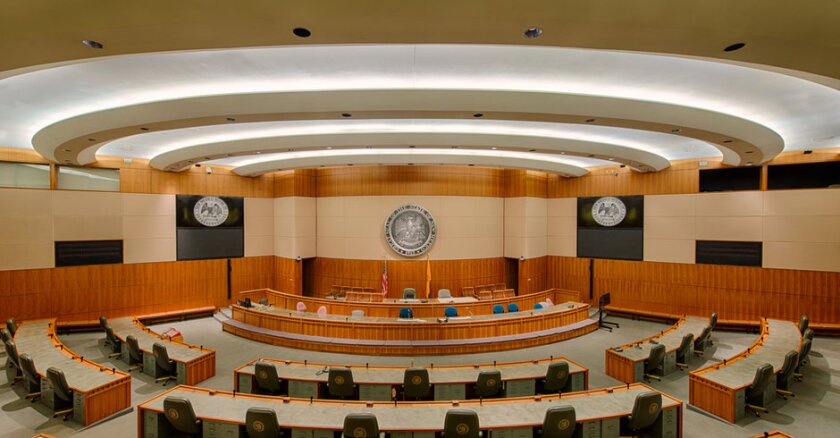
Santa Fe, and other top lawmakers argued it's not the judicial branch's job to resolve procedural disputes within the Legislature like the one over a rule change allowing remote participation by House members.
In addition, the attorneys argued the Democratic-controlled House had acted reasonably by passing the temporary rules that permit its 70 members to use online technology to debate and vote on bills — many from outside the
Capitol — amid the ongoing coronavirus pandemic.
"The risk of an outbreak at the
Capitol is a far greater threat to members' 'full participating rights' than allowing members to attend the session via a videoconferencing session," the court response states.
Three Republican lawmakers filed the lawsuit with the
New Mexico Supreme Court on
Jan. 30, arguing the House rules violate the state
Constitution.
The rules were adopted on a largely party-line vote after the 60-day session got underway, though four
Republicans joined
Democrats in voting in favor of them — and one Democrat joined the remaining
GOP legislators in voting in opposition.
The
Supreme Court has not yet indicated whether it will hear arguments in the case, though it requested the response be filed by Saturday. It also denied a request for the remote rules to be put on hold pending a resolution of the court challenge.
The 24-page response filed by contract attorneys for Egolf and the
Legislative Council, a bipartisan group of top lawmakers, cited legislative data showing more than 15,000 people watched or participate in legislative proceedings during the opening week of the 60-day session.
It also contested allegations in the
GOP lawsuit the remote participation rules violated the public's right to due process, pointing out the Supreme Court last year rejected a challenge to the Legislature's decision to bar public and lobbyists from the Roundhouse amid the pandemic.
In large part, the recent
GOP lawsuit hinges on the definition of "presence" and whether legislators must physically be in
Santa Fe in order to debate and vote on bills.
The response brief cited court rulings in other states that have found remote participation meets the presence requirement, while pointing the new House rules allow any member to ask whether there's a quorum of lawmakers present — online or in person.
It also argued the
Constitution gives each legislative chamber the "exclusive power" to determine how it will function.
(c)2021 the Albuquerque Journal (Albuquerque, N.M.). Distributed by Tribune Content Agency, LLC.