
Transportation
-
 The Mamdani administration is seeking to bring curb management into the 21st century — in some cases, policies haven’t changed much since the 1950s. That could mean more parking and different ways to collect trash.
 -
Deploying the haulers on the Interstate 35 corridor is intended to evaluate their performance in real-life conditions. The highway from Laredo to Temple is one of the state’s busiest trade corridors.
-
Problems in February left travelers unable to pay at self-service kiosks, but the solution, a software fix, has now been completed. The garage’s self-payment system was out for six days.


More Stories
-
With Lime scooters returning to the city’s streets this week, local officials are rolling out new infrastructure designed to limit the scattering of scooters and e-bikes downtown.
-
County commissioners approved a contract giving the Highway Department access to artificial intelligence that will help the local government do a quicker, more efficient assessment of roadway conditions.
-
The city is moving forward with a 12-month pilot program that will allow electric scooters on the Shoreline Pedestrian Bike Path, with that program currently slated to go live Memorial Day weekend.
-
Autonomous tractor-trailers have been hauling freight in Texas since 2021 but a human operator has ridden along — this month, one tractor-trailer will be losing its operator for the first time.
-
The city said it has impounded 38 electric scooters parked on sidewalks, and rental companies may face fees. Vendors questioned the timing but said they are working with officials and will follow the rules.
-
New fleet management technology for optimizing the use of electric vehicles crunches numerous variables related to battery performance, route, topography and temperature to get the most out of zero emissions.
-
The report, which includes information on cybersecurity, is an expanded version of a self-assessment encouraged by the National Highway Traffic Safety Administration. Trucks are scheduled to go fully driverless in April.
-
Two bills propose cameras in areas with high numbers of accidents, and where construction is happening, to enforce speed limits. Current law prohibits using their use to gather evidence for a citation, in most instances.
-
A new data dashboard from the Urban Institute starts to flesh out how federal infrastructure funding is allocated across sectors, and in jurisdictions like states, counties and congressional districts.
-
The 32-year-old MTA MetroCard will cease operations Dec. 31, but other fare cards are coming. NJ Transit will debut one in just a few months, and PATH is in the works on a card for its new TAPP system.
-
As part of an ongoing effort to reduce greenhouse gas, the city of Dallas leads the region with the largest electric fleet among North Texas cities, and now it’s hoping to transition further.
-
Gov. Jeff Landry has declared an emergency via executive order as the state grapples with service disruptions at Office of Motor Vehicles sites. Some late fees are being waived for expired Class E drivers’ licenses.
-
As states work to build electric vehicle charging infrastructure amid a federal funding freeze, the former leader of the Joint Office of Energy and Transportation urges leaders to keep showing their vision for the future.
-
Two bills now under consideration could change who gets to ride so-called electric-assisted bikes and similar conveyances. Some elected officials support letting kids as young as 12 ride e-bikes, with additional safety regulations.
-
Los Angeles and Orlando international airports have introduced parking technology to make travelers’ experiences more seamless and convenient. Cities are following suit, for ease of use and to reach more users.
-
Transportation departments in Texas and California are exploring artificial intelligence, and the latter may create a chief data and AI officer role. These agencies, an executive said, will face “major workforce transformations.”
-
The Mineral County Treasurer’s Office and the state are readying a new vehicle services system, to refresh vehicle titling and registration. Services will be fully restored Monday morning, per the state website.
-
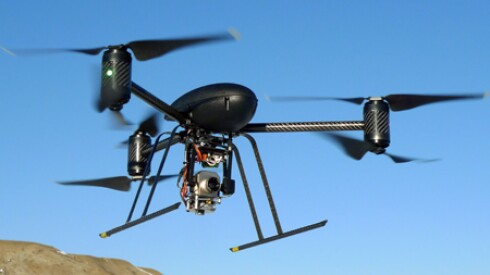
The University of North Dakota Center for Innovation has awarded three companies grants of $150,000 each to explore use cases for drones in undeveloped areas of the state. The project could raise new business questions.


Most Read

- Vermont Becomes 13th State to Purchase MS-ISAC Membership
- Omaha, Neb., Firefighters Get Paramedic Training via Mobile Sim Lab
- Napa Students Help Build AI Tool Transforming Stroke Care
- Texas Education Agency Finds NEISD Violated State Cellphone Law
- S.C. Senate Oversight Committee to Handle School Voucher Data







