
Infrastructure
-
 Founded by former North Carolina Lt. Gov. Dan Forest, the North Carolina Blockchain + AI Initiative (NCB+AI) will work to pass pro-cryptocurrency legislation and support construction of data centers.
 -
A new report by the American Council for an Energy-Efficient Economy urges regulators and utilities to make the grid operate more efficiently. There are ways, experts said, to absorb part of data centers’ growth.
-
The local government’s Board of Supervisors voted unanimously to appropriate the funds for a “comprehensive technology infrastructure remediation project.” It comes in response to a critical IT outage last summer.


More Stories
-
The yearlong study is designed to first introduce drivers to automated vehicle technologies and then record their levels of acceptance for use on roadways.
-
In lieu of fine-print user agreements or nothing at all, a prominent urban innovation startup offers a visual language to tell people, at a glance, when they’re being scanned or surveilled, by whom and for what purpose.
-
Over the next year, a small electric autonomous shuttle will be deployed to showcase the potential for rapidly evolving transportation technology across the state.
-
The Federal Aviation Administration granted a certificate of authorization to the Chula Vista Police Department to operate drones beyond the "visual line of sight."
-
New York’s Metropolitan Transportation Authority is ready to go through the process of removing the contractor responsible for the troubled installation of crash prevention technology unless the CEO appears at the next board meeting.
-
As New York and other cities eye congestion pricing plans, transportation experts say coupling the cost with better, cheaper alternatives could go a long way in reducing traffic in dense urban areas.
-
The popular on-demand transportation has caught many local governments off guard, but the New Mexico city is drawing a hard line, disallowing them altogether unless the council approves a two-year pilot.
-
The installation of positive train control on Long Island Rail Road trains ran into another problem while replacing undercar scanner antennas, officials told members of the Metropolitan Transportation Authority Board’s railroad committee.
-
“The purpose of our activities right now is really to lead in the conversation with policies of the State of Connecticut in order to have a safe system in the future,” said a city spokesperson.
-
New York City became the first U.S. city to approve congestion pricing on drivers entering Manhattan during peak times. Now, Seattle leaders are also looking to the model as a way to reduce traffic.
-
A recently passed law financially penalizes Ohio cities for using traffic enforcement cameras, but proponents of the technology point to a decline in car accidents as proof it's worthwhile.
-
Road safety advocates likened the estimated 3,600 people killed in distracted driving incidents each year to the 2001 terror attack and called for stronger laws to prevent drivers from using electronic devices.
-
Under the state "Central Business District Tolling" program, electronic devices located in Manhattan at 60th Street and below would automatically charge tolls to most motorists. Some lawmakers are criticizing the plan as burdensome.
-
The bill would establish basic statewide rules for automated vehicles while giving the Department of Transportation the ability to create rules relating to the technology.
-
The president’s proposal to end tax credits meant to promote the adoption of electric vehicles is facing opposition from a group of lawmakers pushing alternative legislation.
-
Cities need to evolve towards a mobility plan that interconnects walking with biking, public transit, and ride-sharing. To do that will require tech, partnerships and collaboration, say experts.
-
The city of Tupelo has been trying to develop a smartphone app that would allow riders to track buses in real time. But officials are saying a viable solution has been harder to create than they expected.
-
Electric vehicle car sales in California grew 13 percent in the first three months of this year, compared to the same period last year.
Most Read
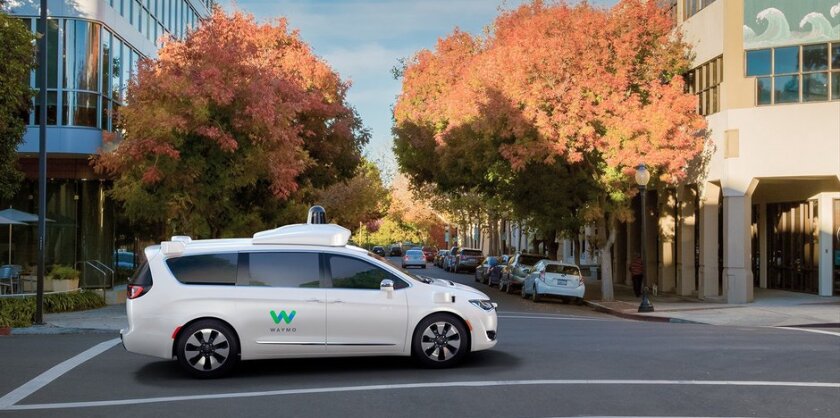
- Tesla, Waymo Report New Crashes as Robotaxis Face Scrutiny
- Maine Courts Push for More Cybersecurity as Records Move Online
- Opinion: How Social Tech Has Transformed Us — for Better and Worse
- Government Data Privacy Considerations in the ICE Age
- Texas Toll Road Will Be Test Ground for Autonomous Big Rigs







