
Digital Transformation
Coverage of the movement away from physical textbooks and classrooms toward digital operations in K-12 schools and higher education. Examples include virtual classrooms and remote learning, educational apps, learning management systems, broadband and other digital infrastructure for schools, and the latest research on grading and teaching.
-
 Overburdened administrators are relying on artificial intelligence tools to handle mandatory teacher evaluations, but some educators have concerns about risks, readiness and oversight.
 -
Amid gamified lessons, video-directed read-alouds and assigned work on tablets for students as young as age four, at least 16 states have introduced legislation in 2026 to reevaluate screen time or vet ed-tech tools.
-
Given so many conversations in the public sphere about how devices and screen time are affecting developing minds (and adult ones), educators might consider how technology has changed how we live and communicate.


More Stories
-
The Digital Footprints Project at West Virginia University shows the potential for institutional data about student engagement, performance and other metrics to enable early intervention strategies.
-
With help from alumni donations, a Minnesota high school is installing digital screens to display daily announcements, schedules and coming events scrolling continuously in various spots in the building.
-
The Easton Area School Board votes this week on a proposal to buy Navigate360 software that would allow staff to set alarms, keep track of students and contact law enforcement through an app on their phones or computers.
-
With a stamp of approval from ISTE, Skriware is expanding its reach to North America, making its collection of robotics, CAD, programming and 3D modeling tools available to grades 2-10 in U.S. schools.
-
Educators from Stanford University shared lessons from their campus’ overall experiences with remote learning, including student struggles and academic innovations, at the virtual Educause Annual Conference last week.
-
The international encoding standard Unicode has included Kaktovik numerals, designed by Iñupiaq students almost 30 years ago, in its latest version. Teachers in Alaska say it has spurred an interest in math.
-
Two Colorado school districts worked with SchoolBlocks.com to overhaul their websites, their "windows for the outside world," to make them more attractive, accessible, informative and easier to use.
-
At a Thursday webinar panel for the Educause Annual Conference, former U.S. Secretary of Education and Chicago schools CEO Arne Duncan described technology access and degree completion as major issues facing higher ed.
-
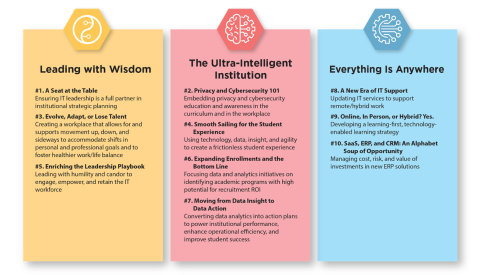
Making sure CIOs have a seat at the leadership table and reducing staff turnover are both key IT challenges in higher education today, according to the ed-tech advocacy organization Educause at its annual conference.
-
Year-over-year data suggests students are becoming more comfortable with, and optimistic about, online learning, while educators and institutions are advised to track student outcomes after implementing new technology.
-
Willis Independent School District in Texas has put $245,000 toward a three-year contract with the online tutoring company Paper, which makes tutoring and essay review available to students 24/7.
-
Although student proficiency scores and mental health issues worsened during remote learning, educators should try to understand other factors at work and see the game-changing potential in virtual instruction.
-
Amid declining overall enrollment, online tuition for PennWest University will be discounted by 20 percent for Pennsylvania state employees starting in January 2023 for both graduate and undergraduate programs.
-
The Massachusetts Department of Elementary and Secondary Education worked with The Learning Accelerator to create a new guide to help district administrators make smarter choices about ed-tech purchases.
-
School officials say technology and practices now in place for virtual instruction will help them deal with outbreaks when they occur, and minimize the need for closing schools and adding days to the end of the year.
-
The DCPS Digital Equity Act of 2022 requires the school district to create a student technology plan to close the digital divide locally and modernize school IT protocols, with the help of feedback from parents and educators.
-
At a webinar on Tuesday featured in the Aurora Institute Symposium, the Colorado Board of Education's Office of Blended Learning explained a two-year plan to gather research on hybrid learning to inform state policy.
-
With emerging, data-driven approaches to instruction and mounting evidence of learning loss during the pandemic, K-12 schools should question the wisdom of putting all students through the same classes at the same pace.




Most Read

- In Ohio County, Phishing Attack May Have Led to a Data Breach
- Durham, N.C., Finds Its New Technology Director in Academia
- Maryland Workforce Agency Expands Cyber Training for Job Seekers
- Worcester, Mass., Relaunches Emergency Notification System
- Tulsa Public Schools Proposal Seeks $105M for Technology







