
-
 A multi-year initiative between a private historically Black liberal arts college and a tech company will expose up to 750 high school students in the Birmingham area to AI technology and workforce opportunities.
 -
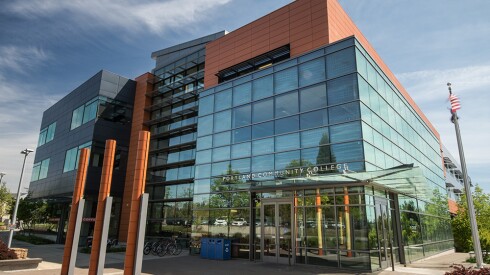
A new facility at Portland Community College is helping students practice specialized manufacturing skills and cleanroom protocols using equipment that simulates a real manufacturing environment.
-
With funding from the state and The Delta Air Lines Foundation, the Georgia Institute of Technology will revamp its aerospace engineering facility to include advanced labs and research spaces for emerging technologies.


More Stories
-
A 2023 indictment unsealed this week alleges that two men were directed by China's spy agency to target and access the emails of virologists and immunologists at two Houston-area universities.
-
The California State University Chancellor’s Office will use $3 million to fund various projects incorporating artificial intelligence into instruction and professional development, selected from over 400 proposals.
-
The research and advisory firm Info-Tech Research Group developed a road map tool to guide higher education IT leaders through cost optimization strategy, communication and implementation.
-
The settlement was a victory for students and advocates who have made complaints nationwide over colleges lending their names to online courses that have few ties to campus faculty or typical university oversight.
-
Following the introduction of an artificial intelligence concentration and bachelor’s degree, Mississippi State is now offering graduate-level AI education.
-
As three longtime North Texas university leaders prepare to step down this summer, they reflect on how higher education has bolstered the region’s workforce development, economy and cultural capital.
-
A public research university in Michigan will relocate its current data center in a science complex to a new structure on the southwest end of campus so it can accommodate more research space and a new AI institute.
-
Noting workforce demand and a gender disparity in technology fields, PC AGE Career Institute in New Jersey will provide $200 a month for low-income women to study cybersecurity or IT.
-
Researchers used a $2.3 million grant from NCInnovation, which supports commercializing research discoveries, to develop a robotic microscope to help farmers find and count animal parasites.
-
North Park University and the University of Illinois Springfield are expanding their workforce-focused virtual offerings, consistent with a trend in higher education to fill jobs by meeting students where they are.
-
Information and security officers from Oregon educational institutions shared insight on making people within their organizations more cognizant of cybersecurity and developing appropriate cyber defense strategies.
-
Amid all the possibilities and ethical questions raised by the growing trove of artificial intelligence tools at the disposal of professors and students, the technology's true impact will depend on how they use it.
-
A new consortium of four historically Black colleges and universities offers a variety of programs virtually. The new portal includes 23 graduate and undergraduate degree programs, as well as 35 certifications.
-
Oil baron and music mogul Len Blavatnik's family foundation has made a $25 million donation to the USC School of Cinematic Arts to create a virtual production center, the university said this week.
-
LoDuca will bring more than 20 years of education and IT experience to the Massachusetts Institute of Technology as it continues modernizing business operations and transitioning to hybrid cloud infrastructure.
-
A class-action lawsuit alleges that a cyber criminal was able to access the data of faculty, staff and students in early 2025 because the University of Massachusetts Dartmouth did not sufficiently protect it.
-
SoCal OASIS Park will cultivate industry partnerships and focus on six areas: clean energy, agricultural technology, sustainable transportation, natural resource management, community health and workforce readiness.
-
The university approved a five-year contract with EAB Navigate360 and Edify to use various data points to find at-risk students, such as whether they log into their online courses, use library resources or pay tuition on time.


Most Read

- Lessons From San Francisco: How to Build Better Permitting
- Oregon Lawmakers Approve Bill Restricting License Plate Data
- Santa Fe, N.M., Police Test Drones as First Responders
- Nashville Metro’s New CIO Brings Local Government Experience
- Houston ISD to Convert Elementary Schools into 'Future 2 Schools'







