
Infrastructure
-
 Two sites in Macomb County and a half-dozen in surrounding areas will get electric vehicle charging stations. The state can now begin spending remaining federal EV infrastructure funds.
 -
Spring days can produce an excess of surplus renewable energy in California — more power than electric lines can carry. Researchers have some ideas about where and how to harness that energy.
-
Founded by former North Carolina Lt. Gov. Dan Forest, the North Carolina Blockchain + AI Initiative (NCB+AI) will work to pass pro-cryptocurrency legislation and support construction of data centers.


More Stories
-
Low-tech offers an elegant solution to water loss and environmental threats
-
The team will work on improving several aspects of the process solar power plants use to turn heat from the sun into a fluid with thermal energy that can be converted to electricity.
-
Adding batteries to rooftop solar energy systems has “huge” potential to reshape the industry.
-
The project will reduce flooding, improve water destined for the Los Angeles River and recharge the San Fernando Groundwater Basin with up to 13 million gallons of water per year.
-
We must make cities “smart” by using computer systems and the Internet to better balance demand for things like energy, transport and waste management with secure and reliable supply.
-
Investments in buildings often lag, leaving significant potential untapped.
-
The state is on its way to weaning off an 80 percent reliance on nonrenewable energy sources.
-
A report ordered by the Maine Legislature may have raised more questions than it answered about how the state should proceed with solar.
-
Chris Osgood from the Mayor's Office of New Urban Mechanics will serve as Boston's first chief of streets.
-
The new rules "will act like an accelerant," and all states will now have to grapple with the need to reduce carbon emissions.
-
Many leading companies endorse efforts to reverse climate change and are stepping forward voluntarily, yet many industry trade groups don’t accept the science and oppose mandatory changes.
-
Hillary Clinton’s commitment to making the United States more reliant on renewable energy and to increase the country’s solar energy capacity by 700 percent is very bold indeed. But is it feasible?
-
A recent survey has found that energy costs can represent 25 to 30 percent of total operation costs for water and wastewater utilities, but that some companies are making substantial progress in improving their energy and water efficiency.
-
A new agreement with SunEdison puts HP ahead of its clean energy schedule and will allow the energy provider to expand operations.
-
Greening the county's antiquated sewer network can be accomplished through a series of regionally focused, strategically placed solutions, such as green roofs, permeable pavement and stormwater planters.
-
The three-year, $1.6 million program also is designed to reduce emissions, encourage private-sector investment and raise awareness about electric vehicles.
-
California officials say their existing climate change programs put the state on course to meet the agency’s new carbon-dioxide emissions target years ahead of schedule.
-
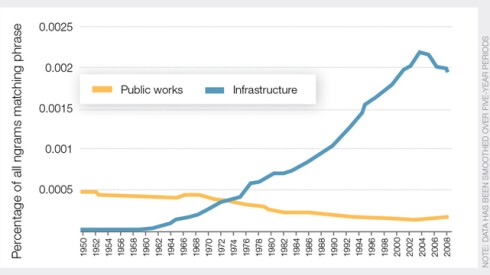
Not that long ago, we hardly ever used or even knew the term. What changed?

Most Read








