-
 High schoolers attending the Future of Education Technology Conference last month argued that punitive policies against essential technologies do a disservice to graduates entering an AI-saturated job market.
 -
A new report by CALSTART indicates transitions to electric trucks are facing some of the same headwinds as the light-duty vehicle market. In certain states, however, their numbers are stronger than expected.
-
In 2025, the state launched its Frontier Stable Token and advanced system modernization; in 2026, the IT team will build on that foundation to leverage technologies like AI while building trust.


More Stories
-
Google’s cloud clients will be able to access Meta’s Llama 2 large language model, as well as AI startup Anthropic’s Claude 2 chatbot, to customize with enterprise data for their own apps and services.
-
The state auditor's office noted concerns about the California Department of Technology's security controls and project oversight in its most recent audit. The CIO, Liana Bailey-Crimmins, has responded to the concerns.
-
The university was still without Internet on Tuesday but gradually bringing services back online after disconnecting Sunday due to suspicious activity, which a university regent has confirmed was a targeted attack.
-
As in many other states, esports are increasingly popular at Missouri high schools and colleges, and they represent an opportunity for participants to learn teamwork and build confidence and social skills.
-
Google is offering certification courses in fields such as data analytics, cybersecurity and project management through a private-public partnership with the Pennsylvania State System of Higher Education.
-
The FBI led a multinational effort involving the authorities from France, Germany, the Netherlands, the United Kingdom, Romania and Latvia to take down criminal infrastructure, disabling malware known as Qakbot.
-
Dearborn Heights library director Michael McCaffrey said the grant money from the Department of Education will be spent completely replacing computers and infrastructure in both libraries in the city.
-
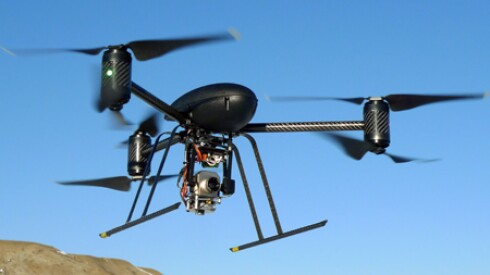
The previous ordinance, passed in recent years, had stated that unmanned aerial craft could not be flown over the city's police station or public parks, but the FAA said the city doesn’t have agency to decide that.
-
A public-private coalition called Innovate Illinois has enlisted several universities in pursuit of federal funding to designate its quantum science and biomanufacturing centers as EDA Tech Hubs.
-
The NYPD plans to start piloting drones over certain crime scenes across the five boroughs, in some cases pairing the technology with the department's ongoing ShotSpotter technology.
-
Proterra Inc., the South Carolina-based maker of all-electric transit buses, has filed for bankruptcy, leaving city transit agencies to wonder if their plans to introduce electric fleets will have to wait even longer.
-
The company has announced plans to spend $1.7 billion to expand its three Ohio data center sites to boost artificial intelligence efforts and tools like Google search, Maps, and Gmail.
-
“What’s in a name?” As some government agencies make their chatbots more human than ever, explore a growing cast of AI characters.
-
The Ohio History Connection attempted to negotiate over extortion payments related to a July ransomware attack, but cyber criminals rejected the act, potentially leading to a likely data leak.
-
GCOM offers a range of SaaS services in 32 states, while OnCore Consulting has a focus on California state agencies that deal with health and human services, tax, pension and other areas.
-
Utah CTO David Fletcher will be retiring this week after over two decades in the role. In his final days in public service, he shared what he has learned and accomplished in a career peppered with technological disruption.
-
A state attorney has declined an investigation into former administrators at Broward County Public Schools after they shared privileged information with their private company that they withheld from the public.
-
The day before the start of fall classes, the university separated its network from the Internet due to a "significant security concern." Staff expect it may take a few days before all systems are back online.