
-
 Odyssey CEO Joseph Connor, whose company is building infrastructure for the nation’s largest ESA rollout, says vetting local vendors is key to helping states and families make the most of digital wallets.
 -
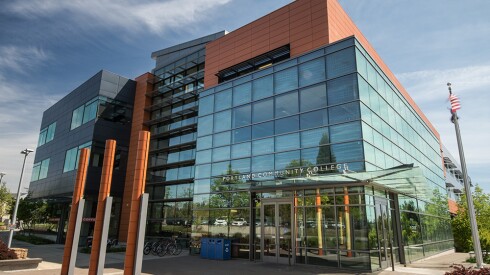
A new facility at Portland Community College is helping students practice specialized manufacturing skills and cleanroom protocols using equipment that simulates a real manufacturing environment.
-
The Nevada Governor’s Technology Office has gone live with a refreshed site intended to be easier to modify as updates are needed — but more accessible and easier to use as well, with standardized layouts.


More Stories
-
Officials in Washington County have approved $3.2 million in American Rescue Plan funding to expand Internet service to 944 homes and businesses and other locations in two municipalities.
-
A $100,000 emergency procurement package – containing two vendor agreements – was unanimously passed this week to mitigate a “network security incident” that affected 85 county computers.
-
The domain registration giant has partnered with mySidewalk to share data from their Venture Forward platform. The data suggests micro businesses are most concentrated in Nevada and Delaware.
-
San Diego County’s second largest city has announced a new IT director in Jose Cisneros. Cisneros comes to city service with more than two decades of network and cybersecurity experience from the U.S. Navy.
-
Recognized by TIME magazine as one of the country's most innovative teachers, Joann Blumenfeld of Raleigh created programs for students with disabilities to find STEM careers and learn about geospatial technologies.
-
The Metropolitan Sewer District of Greater Cincinnati is going to be piloting a technology solution to gain a better understanding of its wastewater network and more advanced sampling methods.
-
The state's budget will allot more than $26 million to colleges for advanced manufacturing and skilled trades training hubs, capital improvements and community projects like broadband expansion efforts.
-
The University of South Florida's Global and National Security Institute will train state and local government employees, as well as businesses, to defend critical infrastructure from cyber threats.
-
The botnet — a network of infected devices working together, typically for malicious purposes — compromised everything from smart garage door openers to routers to audio/video streaming devices to phones to computers.
-
The cost for the police body cameras and software to operate them came in at $765,991.49, an expenditure that officials say would have been impossible to make without the American Rescue Plan funding.
-
Pennsylvania, where agriculture is an $82 billion industry, is trying to address an economic challenge that has flown under the radar: the proliferation of agricultural plastics, and the difficulty recycling them.
-
In a Wednesday panel at the Learning Impact Conference in Nashville, ed-tech executives discussed what educators will come to expect in the years ahead, and the roles of professional development and user-centered design.
-
Plus, Ohio announces a cohort of counties for its BroadbandOhio Community Accelerator program; the White House prepares to welcome the 2022 U.S. Digital Corps; seven new communities join U.S. Ignite; and more.
-
Cyber insurance won’t ever be “cheap” again, says Cysurance’s Kirsten Bay. But insurance firms might make it more attainable with ways to monitor clients for good cyber behavior and adjust limits accordingly.
-
The debate over a plan to buy a drone for the Worcester Police Department has come to an end with a 7 to 3 City Council vote in favor of the purchase. Opponents voiced concern about potential civil liberty implications.
-
A new online portal for would-be business owners in the state foreshadows other digital tools in the works to ease permitting, licensing and similar tasks. Nearly 1,000 entrepreneurs have used the software in New Jersey.
-
U.S. Census Bureau data indicate almost 2.8 million Texas households, including 7 million people, lack broadband access. A new plan from the Comptroller's Broadband Development Office hopes to change that.
-
The state budget allots no money directly for schools to improve safety, leaving local districts to find money in their own budgets for metal detectors, security cameras, radio systems, door locks and other measures.


Most Read

- How quickly can BYD’s newest vehicle battery recharge?
- Data-Driven Safety: West Manatee Fire and Rescue’s STR Strategy Saves Lives and Boosts Revenue
- What’s New in Digital Equity: 30 Years of the Telecom Act
- Carnegie Mellon, Nonprofit Launch AI Fluency Project for Grades 1-5
- Calhoun County, S.C., Aims to Improve Emergency Response







