
-
 Mo Canady, executive director of the National Association of School Resource Officers, says weapons detection systems are useful given the right policies overseeing them and a campus culture that's mindful about safety.
 -
Starting April 13, a town in Connecticut will use cameras on school buses to automatically issue fines to drivers for illegally passing stopped school buses. A warning period resulted in nearly 300 warnings to drivers.
-
Out-of-state vendors can sign up for Texas Education Freedom Accounts if they have a license to do business in the state. Experts say the law leaves a gray area for out-of-state schools that join as online vendors.


More Stories
-
A multiyear initiative between a private historically Black liberal arts college and a tech company will expose up to 750 high school students in the Birmingham area to AI technology and workforce opportunities.
-
HISD will convert Gregg and Clemente Martinez elemantaries into "Future 2 Schools," serving students from kindergarten through eighth grade and focused on skills needed with the rise of artificial intelligence.
-
The tutoring and college-prep company Studyville Enterprises is nearly quadrupling its staff in the next five years and further developing its tutoring performance tracking and literacy software.
-
Odyssey CEO Joseph Connor, whose company is building infrastructure for the nation’s largest ESA rollout, says vetting local vendors is key to helping states and families make the most of digital wallets.
-
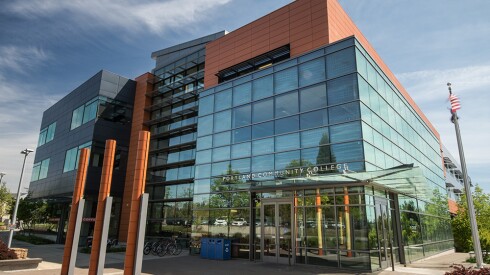
A new facility at Portland Community College is helping students practice specialized manufacturing skills and cleanroom protocols using equipment that simulates a real manufacturing environment.
-
A collaboration between Carnegie Mellon University’s CREATE Lab, the STEM Coding Lab and the Valley School of Ligonier will teach elementary students about AI’s ethical and societal implications.
-
North Kansas City School District is cooperating with law enforcement after an audit found a district IT employee approved invoices for a vendor owned by his brother, without following procurement requirements.
-
A Colorado school district has blocked access to ChatGPT on district-issued devices, in light of the chatbot's easily skirted age verification process, opaque group chats and ability to generate explicit materials.
-
A ruling by the Board of the California Privacy Protection Agency serves as a warning to ed-tech and school-service vendors that digital access to school life cannot be contingent upon being tracked for advertising.
-
With funding from the state and The Delta Air Lines Foundation, the Georgia Institute of Technology will revamp its aerospace engineering facility to include advanced labs and research spaces for emerging technologies.
-
The up-and-coming generation of teachers who grew up with technology try to integrate it thoughtfully into lessons, though some are not used to separating their digital lives from their professional lives.
-
The AI Center for Civic and Social Good will let the public and the San Jose State University community learn about and work with AI technology through programming — at no cost to participants.
-
Workforce opportunities and a desire for practical career development are driving Colorado college students to online classes and certificate programs in fields like cybersecurity and automotive technology.
-
A proposed amendment to the Michigan Constitution would force state universities to follow local zoning ordinances and go through public processes before beginning construction on a data center.
-
Artificial intelligence is causing college instructors to move more meaningful examinations back to the classroom, and connect the dots with students on why learning matters.
-
As the market for continuing education programs grows, more and more nontraditional students are seeking out skill-specific, career-focused, online programs at universities.
-
An online learning program at Willmar Public Schools in Minnesota is helping students stay on track even if they can't attend classes in person, for example because immigration enforcement makes them feel unsafe.
-
Among more than 68,000 surveyed educators, most say school cellphone policies directly contributed to students having better learning experiences, healthier relationships and improved emotional well-being.




Most Read








