Transportation
-
 The newest Transit Tech Lab competition focuses on such areas as data modernization, infrastructure management and workflows. Finalists have a chance to work with city officials and enter procurement.
 -
The robotaxi maker has been testing its newest vehicle on Texas streets since late December. Now, one of the cars has been spotted on a highway at night, which obscured any view of a driver.
-
A freight ferry and two cargo bikes were part of a project to show how fresh seafood and other freight can move through New York City without traveling on a delivery truck through city streets.


More Stories
-
Of the more than 140 people killed by drivers who fled the scene in the California capital since 2018, dozens died on aging, busy corridors designed years ago with pedestrians and bicyclists as an afterthought.
-
Peachtree Corners has launched a new collaboration with Spoke to transform roadway safety and rider connectivity by delivering the first-ever Internet-connected ecosystem for vulnerable road users.
-
A U.S. labor board ruling has laid the groundwork for drivers from Uber Technologies Inc. and Lyft Inc. and other gig workers to formally unionize — a still difficult but potentially transformative task.
-
Pittsburgh Mayor Ed Gainey, state Sen. Lindsey Williams and others voiced support for proposed federal vehicle standards that officials say will "accelerate the ongoing transition to a clean-vehicles future."
-
Last month the City Council signed off on a funding agreement with the region’s bus service to launch the driverless pilot. The $500,000 test is planned to start in late August and run through April.
-
Electric vehicle owners in the state may soon be required to pay an annual fee of almost $300. The fee equates to what the Department of Transportation estimates owners of gas-powered vehicles pay each year in gas tax.
-
More than 120 students within the Laguna Beach Unified School District participated in an electric bike safety program in exchange for a permit to park their bike on campus amid concerns about speeding and safety.
-
A rogue drone caused a roughly 30 minute ground stoppage at Pittsburgh International Airport earlier this week. Law enforcement is investigating the incident.
-
In an era when companies are building driverless cars and 30-inch infotainment screens, the auto industry found itself in Congress on Tuesday fighting over technology that's a little more old school: AM radio.
-
New Jersey could avoid 3,290 deaths and generate $36 billion in public health benefits by transitioning to electric vehicles by 2050, according to a report by the American Lung Association.
-
State lawmakers argue that the state Department of Motor Vehicles has so badly mishandled the driverless car industry that it can't be trusted to oversee big rigs barreling down the highways autonomously.
-
Housing and other development built in concert with transit stops are solving the persistent last-mile gaps in U.S. transportation planning. In Miami, a new development could serve as a model for other cities.
-
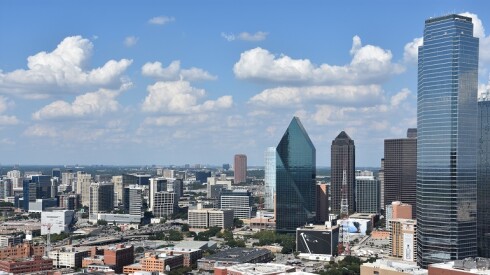
The Dallas metro area has quietly become the new frontier for the development of autonomous trucking, with several companies from around the world setting up operations there.
-
In particularly dire language, lawmakers, transit officials and others are urging the state Legislature in California to shore up public transit budgets before they descend off of a “fiscal cliff.”
-
Students from two universities collaborated on engineering challenges to make electric vehicles more energy-efficient, earning them first place in Year One of the EcoCAR Electric Vehicle (EV) Challenge.
-
The Iowa Department of Transportation is testing how well unmanned aerial systems – commonly called drones – can help to move traffic around wrecks, temporary road closures and construction zones.
-
For now, these delivery trucks making stops at Sam’s Clubs, Krogers and other destinations do have a human behind the wheel — a safety driver in case of emergencies or technology glitches. Soon, that will no longer be the case.
-
As part of the partnership, Ford electric vehicle customers will have access to more than 12,000 Tesla Superchargers in North America. The company will start offering a built-in standard connector in 2025.