Recovery
Latest Stories
-
 The state’s new Infrastructure Planning and Development Division has adopted cloud technology to help community governments navigate matching requirements, compliance and project delivery.
 -
After a teenager died in a flash flood last summer, the Town Council plans to install two sirens to make sure residents know to seek shelter in the face of a flood, tornado or hurricane.


More Stories
-
 Six of the 160 incidents occurred in places of worship, resulting in 21 people killed.
 -
This electricity infrastructure operations center is designed for research to help guard against threats ranging from natural disasters to international attack, and to make the grid more flexible, reliable and efficient.
-
Mindful that only nature can whip a drought, those who study and manage water in California are focused not on the current epic, but on better preparing the state for the next drought.
-
Sustained winds have increased to about 75 mph as Danny headed north.
-
Though the FAA is expected to address emerging safety issues when it adopts regulations to incorporate drones into the national airspace, an action expected in early 2017, California lawmakers might consider taking action on its own.
-
There have been no announced discoveries of bird flu in any Iowa county poultry facilities since June.
-
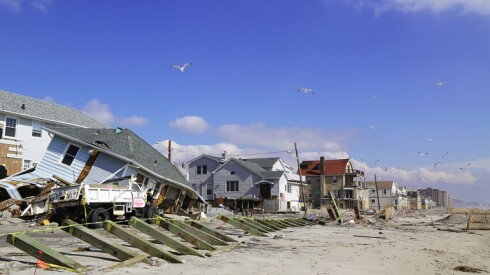
In 2012 during Superstorm Sandy, about 24.3 million gallons of sewage overflowed from Connecticut wastewater systems, according to some estimates.
-
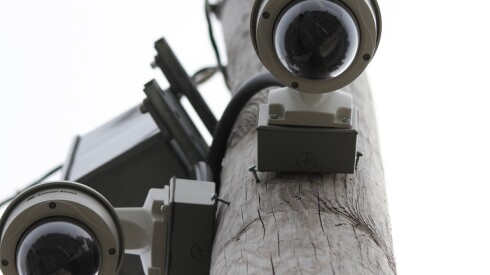
Cameras across the county catch images every day that could help police solves crimes in every community.
-
Federal auditors recommended Mississippi recipients of 68 grants from FEMA return or surrender their claims on $131.4 million because the money was mishandled.
-
FEMA required homeowners planning to make renovations to 50 percent or more of their house to raise their homes above the base flood elevation level.
-
Sacramento Municipal Utility District’s $1.2 million Resilient Grid Initiative will install high-voltage switches and increase the carrying capacity of the system.
-
County commissioners will consider up to $57 million in financing for infrastructure, including the 800 MHz emergency radio communication system.
-
Teachers and some students will be given keycards on lanyards to get into buildings.
-
From unlocking cars and opening garages to hacking a satellite, recent breach demonstrations made a clear point about cyberattacks: They are very real and can be very dangerous. And our current method of "fighting" these attacks is not working.
-
Disaster grant money is meant to fill in the gaps that private insurance and other funding does not.