FutureStructure Perspectives
-
Transit officials in Kansas City, Mo. plan to eliminate bus fares system-wide this year.
-
As alternate transportation options have become more widespread, students at California Polytechnic State University have shown no signs of declining car use, according to a study examining car commutes.
-
Castle Rock State Park in California is using the KETOS water-monitoring system which conducts continuous tests of the park's drinking water.
More Stories
-
 The future of two key energy policies – the EPA's Clean Power Plan and Renewable Fuel Standard – will decide whether bioenergy will continue to grow in the U.S. or not.
 -
Urban areas must strategize to vie for future economic growth.
-
Just before the legislative deadline, politicians are rushing to pass two bills critical to the state's climate change goals.
-
Although there are legitimate concerns over California's environmental legislation, we cannot loose the momentum and become stagnant.
-
Despite both political and legal challenges, Uber is expected to continue providing its popular ride service.
-
As technology evolves, governments are going to need to rethink how they do business.
-
By creating greater insight into both supply and demand, the Internet of Things can help government and utilities work together to improve governance of the water ecosystem.
-
With everything increasingly connected, there is a growing awareness of new vulnerabilities.
-
With oil resources declining and penalties on greenhouse gas emissions increasing, the future of aviation is dependent on finding an alternative power source. Electricity may be the answer.
-
The ride-hailing company has invested in autonomous-vehicle research, and its CEO Travis Kalanick has indicated that consumers can expect a driverless Uber fleet by 2030.
-
We must make cities “smart” by using computer systems and the Internet to better balance demand for things like energy, transport and waste management with secure and reliable supply.
-
The new rules "will act like an accelerant," and all states will now have to grapple with the need to reduce carbon emissions.
-
Hillary Clinton’s commitment to making the United States more reliant on renewable energy and to increase the country’s solar energy capacity by 700 percent is very bold indeed. But is it feasible?
-
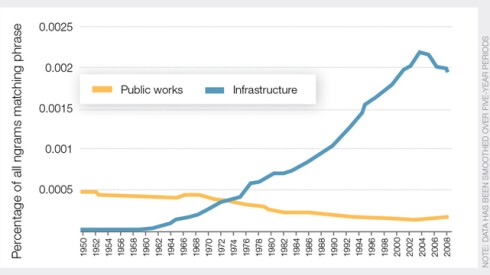
Not that long ago, we hardly ever used or even knew the term. What changed?
-
Lancaster, Calif.'s effort to build a seamless, integrated energy infrastructure points the way to long-term robustness and sustainability.
-
The reason we have such congestion is not because we have low-tech vehicles that require excessive braking space -- it’s because we have failed at urban planning.
-
Electronic toll systems are credited with enhanced driver safety and traffic flow.
-
This idea is not new; it has existed for decades. But while a vactrain sounds like a good concept, it’s relatively unfeasible to actually build. In this sense, Musk’s Hyperloop project is not a novel application of science but a novel application of engineering – using existing technology in new ways to get around the inherent challenges of a vactrain.