-
 Officials are still determining the extent of destruction from back-to-back storms in Hawaii. Maui's Emergency Management head says the island will need federal assistance to fully restore communities to pre-disaster conditions.
 -
The state is asking the federal government to assume 90 percent of the expected $1 billion-plus in recovery costs after a second storm ravaged Hawaii. The scale of destruction is shaping the governor's approach for funds.
-
The city is increasing efforts to repair homes damaged in a 2025 tornado, but currently only working on those that need smaller fixes. Full-scale rebuilds won't start until next year, and residents are losing patience.


More Stories
-
The blaze that ignited Thursday morning has become the most destructive fire in the state’s history as nearly 1,000 homes and businesses have been destroyed and countless others damaged.
-
All 12 U.S. senators and representatives from Washington sent a letter on Wednesday, Dec. 22, in support of Inslee’s Dec. 17 request to President Joe Biden asking him to announce a federal emergency major disaster declaration for the state.
-
“Tens of thousands are still dealing with water, gas or power outages. Families are in shock and grief over the loss of loved ones,” said Senate GOP Leader Mitch McConnell on Tuesday.
-
“This is the deadliest tornado event we have ever had. I think it’s going to be the longest and deadliest tornado event in U.S. history. We know that one of these tornadoes was on the ground over 227 miles.”
-
There is no definite line for when the crisis care plan would be activated as officials closely monitor the status of Maine’s health care system, said Department of Health and Human Services Commissioner Jeanne Lambrew.
-
"Part of the challenge with treating and managing people with long COVID is that a lot of them had been very healthy, very high-functioning. This syndrome has significantly impacted their day-to-day living and how they function with their jobs."
-
The wildfire started October 17, and scorched roughly 10,106 acres, until its containment Nov. 14 — making it the largest wildfire in Boulder County's history.
-
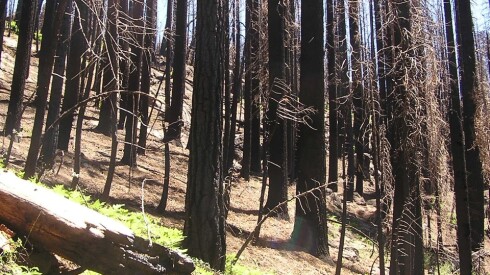
Pulling from a variety of scientific studies, the project foresees a future where towering conifer stands have retreated to higher elevations in the Sierra Nevada. It anticipates a receding snow line and a thirstier atmosphere leaving less moisture in the ground.
-
Burgess, 25, currently serves as a reservist with FEMA in the logistics division and has previously served with FEMA Corps, which is a bridge program between FEMA and Americorps NCCC.
-
The Yosemite-Stanislaus Solutions group, composed of entities from environmental and industry interests, has dedicated itself to developing a healthier forest through fuel reduction and reforestation projects.
-
For the longer term, FEMA has a direct housing program but it won't be until mid-November that units start arriving and then they will only be placed after clearing a number of hurdles, such as not being in a flood zone.
-
Natural disasters like hurricanes and wildfires are increasingly followed by ransomware attacks. Full-scale drills will help states be prepared to fight back when hackers take advantage.
-
According to H.D. Palmer, the state Department of Finance's deputy director, Cal Fire estimates the current emergency fund expenditures are nearly $200 million over its budgeted amount for this fiscal year (July 2021 to July 2022).
-
While the Le Sueur County, Minn., Board is still studying if and how to allow ongoing work-from-home schedules for some employees, County Commissioner Steve Rohlfing said he and other commissioners see benefits to it.
-
More than a year after Hurricane Laura, the Lake Charles, La., area has finally been given some hope that federal disaster relief for long-term recovery needs could finally be on the way.