The sidewalk bots — with their cute eyes and personalized names — take in details including the condition of sidewalks, their width, and where a curb cut is damaged, Kelly Jones, government affairs manager at Serve Robotics, which makes the robots, said.
The robots, which move about the speed of a typical pedestrian, are also collecting real-time information related to intersection crossings, offering insights into near-misses. They are able “to validate and reinforce the feedback that residents give their cities,” Jones said Wednesday during a panel at the CoMotion Miami conference.
By gathering data around the near misses, residents can better advocate for traffic or infrastructure improvements to make intersections safer, Jones said. “What’s safer for robots is, of course, safer for pedestrians.”
These are just some of the new forms of transportation and mobility data to which cities are gaining access, and are using to improve safety, accommodate new users — like robots — and better manage curbs and parking.
Minneapolis is using technology involving “smart sensors” to gather new forms of data related to curb use — and using curb data specification (CDS) to establish a “curb zone score” for curb sections. The score evaluates how well the city is meeting the intended use of the curb space, Dillion Fried, mobility and curbside manager with the city of Minneapolis, said during the panel.
The curb zone score begins to introduce a general standard for evaluating curbs in any city. But it hinges on the use of CDS, a standardized data language that defines the physical objects and infrastructure in the curb space.
The Minneapolis curb zone score initiative is another way data — and data analytics — is being put to work accomplishing larger policy goals such as scaling back street parking, introducing bike lanes, and carving out new areas for deliveries, officials said.
The delivery challenge remains a persistent nut cities seem focused on cracking.
“When it comes to last-mile logistics, I often say that the delivery providers have the gingerbread man approach — catch me if you can,” Fried said. “It’s just been easier for a lot of private companies to just take the ticket, if you can catch them, rather than be cooperative with cities.”
Minneapolis has been engaging FedEx, with city transportation officials going on ride-alongs with the package courier to better understand the delivery landscape and the challenges faced by FedEx drivers.
“Really, what we’re finding is the delivery drivers want to be compliant. And whenever they can they are going to park legally and safely. Because it’s safer for them. And more convenient for them,” said Fried. “But, they also need to make that delivery. So if there’s not a loading zone available, they are going to create their own parking spot with their flashers.”
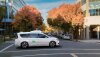
In Miami, parking officials are considering a pilot project with robotaxi operators where autonomous vehicles (AVs), equipped with license plate reading technology, could monitor illegal parking and loading, particularly in bike lanes, which Angel Diaz, chief operations officer for the Miami Parking Authority, has described as a form of “de facto loading zone.”
Jones, from Serve Robotics, noted the sidewalk bots are not regarded as AVs, but instead are “personal delivery devices,” only allowed to operate on sidewalks and in other pedestrian areas.
“But we do see a ton of parallels with AV companies in terms of curb management,” she said, noting the company works with local businesses and cities to help reduce the number of idling, full-size delivery vehicles, which can add to traffic congestion, parking and other problems.