

When cybersecurity experts from the public and private sectors gathered this week, AI and critical infrastructure took a back seat to frontline defense in light of recent international headlines.
-
 From agentic AI help-desk assistants to cybersecurity collaboration and smarter trash routes, Raleigh CIO Mark Wittenburg explains how the city is testing tech before scaling it citywide.
 -
T.J. Mayotte will step in as the city’s new CIO beginning Monday, bringing private- and public-sector experience from two nearby counties to the role. The incoming tech leader has also worked in security governance.
-
The program, designed for water and wastewater systems, builds upon plans released last year by Gov. Kathy Hochul. The move comes amid increasing worries about cyber attacks linked to the ongoing and widening war in Iran.
-
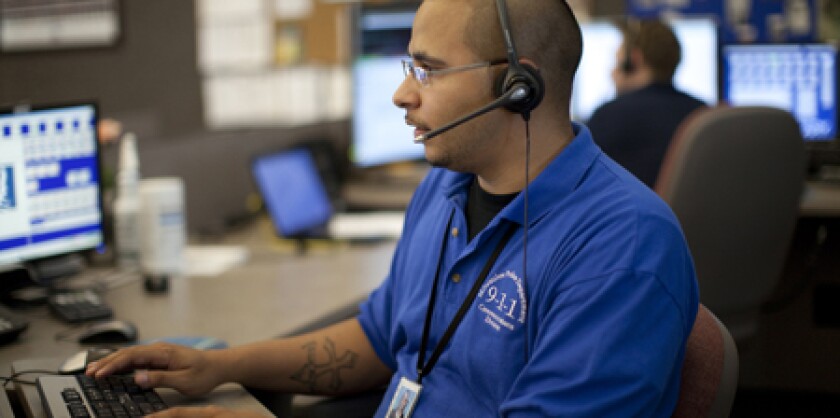
The San Diego County Sheriff's Office has deployed a new system with artificial intelligence to answer calls that are not life-threatening emergencies. Those calls previously encountered some delays.


Most Read

Cybersecurity


From The Magazine
-
 From Pilot to Launch: What will it take to scale AI in government?

-
 As fears of an AI “bubble” persist, officials and gov tech suppliers are looking to move past pilots and deploy larger, more permanent projects that bring tangible benefits. But getting there is easier said than done.
 -
Artificial intelligence has been dominant for several years. But where has government taken it? More than a decade after the GT100's debut, companies doing business in the public sector are ready to prove their worth.
-
The boom of early Internet in the mid-1990s upended government IT. The rise of artificial intelligence isn't exactly the same, but it isn't completely different. What can we learn from 30 years ago?


More News
-
Residents who use the county Sheriff’s Office app can find booking and offender information — and push notifications around weather warnings. A daily bulletin feature will soon be added.
-
Negotiations have stalled over a state Senate proposal to repeal a sales tax exemption on data center equipment. Gov. Abigail Spanberger raised the possibility of a data center electricity consumption tax.
-
Senate Bill 707 mandates that larger cities and counties provide options for remote participation in public meetings by July 1, among other requirements related to translation and teleconferencing for elected officials.
-
A private university in Nebraska will use $2 million from the Fund for the Improvement of Postsecondary Education within the U.S. Department of Education to credential teachers via the online platform BloomBoard.


-
Drones are quickly taking on more roles in law enforcement, disaster management and other tasks. Their latest role is arriving at emergency situations before humans do, collecting information for police.
-
The recent groundbreaking commences work that ultimately will connect nearly 100 homes and businesses in the area with high-speed Internet. It’s paid for with federal American Rescue Plan Act and local matching funds.
-
After a nearly five-month investigation, officials determined that compromised sensitive information included names, addresses, Social Security numbers, financial account information, passport numbers and more.
-
Gov. Phil Murphy has signed a bill establishing third-degree criminal penalties in the state for people who produce deepfake audio or visual media for unlawful purposes — or who share deepfakes created for unlawful purposes.
-
Moving to Next-Gen 911 is more than just a technical challenge; it's a moral imperative as public safety agencies work to meet the needs of all Americans, including those with disabilities or language barriers, during emergencies.
-
A partnership between the university and the tech giant will establish Apple Manufacturing Academy in downtown Detroit, with in-person and online training in smart manufacturing for small and medium-sized businesses.





Question of the Day
Editorial













