

The state is modernizing a legacy mainframe, working with federal counterparts and participating in the Child Welfare Technology Incubator initiative from the Administration for Children and Families.
-
 Plus, new legislation would revive the FCC’s equity council if enacted, a report reveals connectivity gaps in tribal communities, some municipal broadband networks outperform their competitors, and more.
 -
Northlake, located in North Texas, turned to Envisio dashboard technology to help manage capital planning. One of the town’s officials and an Envisio executive talk about the deployment and the future of dashboards.
-
Nate Denny, former deputy secretary for the Department of Information Technology, will lead it starting next month. In his earlier role, he guided the state’s broadband expansion.
-
As jobs, skills and industries evolve faster than ever, state-led data systems are demonstrating how to deliver timely, actionable insights that connect workers with the skills employers actually need.


Most Read

Cybersecurity


From The Magazine
-
 From Pilot to Launch: What will it take to scale AI in government?

-
 As fears of an AI “bubble” persist, officials and gov tech suppliers are looking to move past pilots and deploy larger, more permanent projects that bring tangible benefits. But getting there is easier said than done.
 -
Artificial intelligence has been dominant for several years. But where has government taken it? More than a decade after the GT100's debut, companies doing business in the public sector are ready to prove their worth.
-
The boom of early Internet in the mid-1990s upended government IT. The rise of artificial intelligence isn't exactly the same, but it isn't completely different. What can we learn from 30 years ago?


More News
-
The Decatur City Council approved buying a new baler and AI-powered sorting system, the latter of which is likely to be operational this summer. Its activation will enable a reduction in inmate labor.
-
A coalition of 17 states filed a lawsuit seeking to block the new mandate, arguing it imposes onerous reporting demands and requests data that universities may not be compelled to expose due to student safety.
-
Amid gamified lessons, video-directed read-alouds and assigned work on tablets for students as young as age four, at least 16 states have introduced legislation in 2026 to reevaluate screen time or vet ed-tech tools.
-
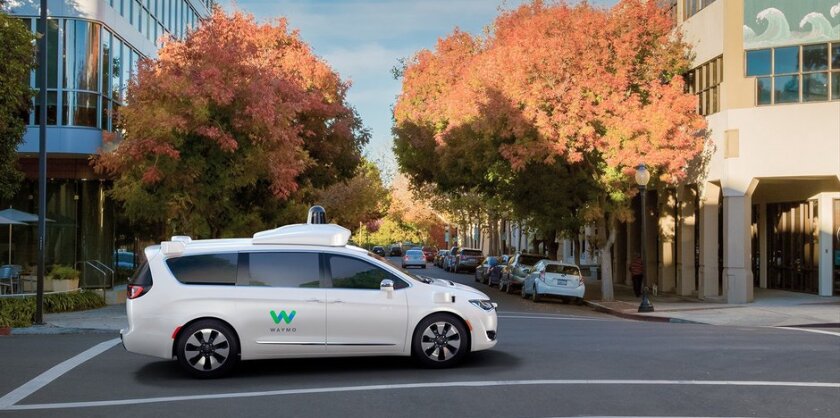
Tesla Inc. and Waymo have reported more crashes in Austin, Texas, over the course of the past month as both companies face increasing pressure to improve their self-driving vehicle technology.




-
Yale University recently unveiled plans to build 450 graphics processing units for research, launch a proprietary generative AI platform, hire more than 20 faculty and promote interdepartmental collaboration.
-
Starting this fall, the University of Texas at San Antonio offers a digital media influencing degree to help students develop skills in marketing to online consumers.
-
After Portland-area schools canceled classes last week for thousands of students because the buildings were too hot, six of those districts are asking for up to $100 million in clean-energy funding for HVAC projects.
-
The work to install new video monitors, microphones, cameras and other equipment began a few months ago with the first courtrooms getting the makeover being those that handle criminal cases.
-
The personal data of 32,276 USAA members was put at risk through what the insurance and financial services company said was the mistaken posting of their info to another member's online account.
-
Two Baltimore County Police corporals will join a federal task force dedicated to fighting cyber crime, officials said at a news conference Friday, noting they will soon be trained as cyber investigators.


Question of the Day
Editorial













