
-
 The National Science Foundation's new FINDERS Foundry initiative will fund up to $8.5 million in research by higher education institutions, nonprofits and government entities to solve problems in education.
 -
A pilot program launching at Chillicothe Correctional Institution in Ohio brings iPad-based technical education to incarcerated residents through video instruction and training on industry-specific software.
-
The city modernized 14 lots and garages it owns with new touchless parking payment technology — eliminating gates, queuing and other features of traditional urban parking. Response so far is positive.


More Stories
-
Shawn Smith will step down this month as IT director for Cedar Rapids, Iowa, to join the Tennessee consolidated city-county as its permanent CIO. He replaces an interim CIO who has been in place since mid-2024.
-
A multiyear initiative between a private historically Black liberal arts college and a tech company will expose up to 750 high school students in the Birmingham area to AI technology and workforce opportunities.
-
HISD will convert Gregg and Clemente Martinez elemantaries into "Future 2 Schools," serving students from kindergarten through eighth grade and focused on skills needed with the rise of artificial intelligence.
-
The tutoring and college-prep company Studyville Enterprises is nearly quadrupling its staff in the next five years and further developing its tutoring performance tracking and literacy software.
-
Representatives from leading AI and tech companies signed an agreement Wednesday pledging to protect Americans from higher electricity prices due to data center expansion.
-
A group of cyber criminals recently used off-the-shelf AI chatbots to steal data on nearly 200 million taxpayers. The bots provided the code and ready-to-execute plans to bypass firewalls.
-
Odyssey CEO Joseph Connor, whose company is building infrastructure for the nation’s largest ESA rollout, says vetting local vendors is key to helping states and families make the most of digital wallets.
-
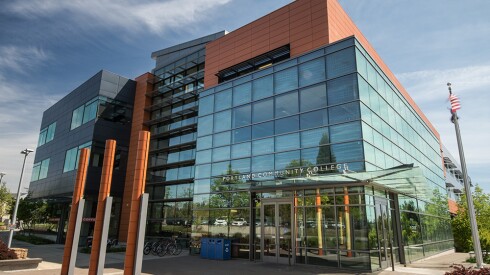
A new facility at Portland Community College is helping students practice specialized manufacturing skills and cleanroom protocols using equipment that simulates a real manufacturing environment.
-
The Nevada Governor’s Technology Office has gone live with a refreshed site intended to be easier to modify as updates are needed — but more accessible and easier to use as well, with standardized layouts.
-
Plus, a lack of funding is impacting digital inclusion initiatives, the U.S. House of Representatives advanced a bill for rural and tribal broadband, San Francisco has expanded its free Wi-Fi network, and more.
-
A collaboration between Carnegie Mellon University’s CREATE Lab, the STEM Coding Lab and the Valley School of Ligonier will teach elementary students about AI’s ethical and societal implications.
-
The County Council approved spending roughly $99,600 to upgrade mapping software. The intention, the county administrator said, is ensuring computer-aided dispatch sends public safety to the right place.
-
Larger jurisdictions have until April 24 to comply with the Web Content Accessibility Guidelines, which means building accessibility into digital public services is no longer just a matter of best practice.
-
The City Council voted 5-1 to accept a nearly $21,000 state grant to purchase a drone for police. Vice Mayor Curt Diemer, the lone vote against, urged the city to take a serious look at “shrinking liberty.”
-
North Kansas City School District is cooperating with law enforcement after an audit found a district IT employee approved invoices for a vendor owned by his brother, without following procurement requirements.
-
A Colorado school district has blocked access to ChatGPT on district-issued devices, in light of the chatbot's easily skirted age verification process, opaque group chats and ability to generate explicit materials.
-
Americans should be on the alert for potential lone wolf cyber attacks amid the conflict in Iran, according to a bulletin issued to law enforcement from the Department of Homeland Security.
-
Months after shutting off most of its Flock Safety cameras due to privacy concerns, Richmond must now decide whether or not to give the company a second chance, a dilemma splitting the community.




Most Read

- What’s New in Digital Equity: Get Online NYC Campaign
- Michigan Gov. Seeks Federal Aid After March Tornadoes
- Massachusetts Towns Impacted by Emergency Comms Cyber Attack
- NYC Map Aggregates Child-Care Resources for a Single Search
- How long were robotaxis suddenly stranded in China by a system malfunction?







