-
 As a new federal administration prepares to assume control, the GovAI Coalition Summit showed the local promise of artificial intelligence, from solutions available to the leaders ready to make them work.
 -
While cybersecurity remains a high priority for many CIOs, we spoke to technology leaders to understand what other skills are difficult to find when recruiting new talent.
-
In addition to upskilling and transforming their workforce, IT leaders in government are investing in enterprise technology that can scale for the future.


More Stories
-
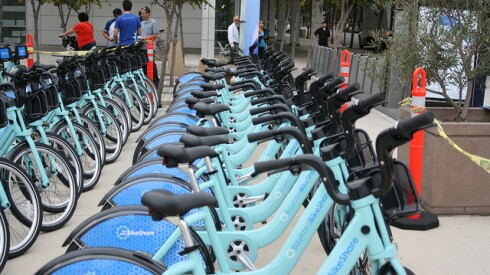
Research has shown that the Citi Bike bike-share program in New York City is predominantly used by men. How can local areas ensure a public transit system serves everyone? Experts weigh in.
-
Improving national cybersecurity means requiring organizations to report incidents — and giving these requirements enforcement teeth, said CISA Director Jen Easterly and National Cyber Director Chris Inglis.
-
A few years ago, the state decided to create what amounts to a marketplace for government technology. Now, one of Virginia’s tech leaders details how that model is helping to save money and innovate.
-
At the beginning of next week, Indiana households and businesses can express their interest in the Indiana Connectivity Program by visiting an online portal or calling the Indiana Broadband Connect Center.
-
A self-driving tech company, a truck manufacturer and FedEx have teamed up to test autonomous vehicle deliveries between Dallas and Houston in Texas. The tests will have human safety drivers.
-
State, local, territorial and tribal entities have used $150 billion from the Coronavirus Relief Fund — part of the CARES Act — for many things. But with the Dec. 31 deadline approaching, some still have a lot left.
-
Michigan and Indiana are in a contest of sorts. Both states want to become the first in the nation to have wireless charging infrastructure on a public road so that electric vehicles don't have to plug in for power.
-
Starting Nov. 1, a Wisconsin bill will go into effect requiring insurance companies to meet specific requirements to protect residents' private information, including social security numbers and health information.
-
A health-care company in Monroe County, Mich., suffered a sophisticated ransomware attack in July. Although there was concern that hackers could have compromised medical data, only financial info was affected.
-
According to recent findings, more and more human resources professionals utilize artificial intelligence in evaluating employees. But such tech can lead to unfair employee appraisals or outright discrimination.
-
From May 2016 to March 2020, Maryland has overcharged drivers in the thousands via its cashless tolling system, according to a legislative audit. The state now exclusively uses cashless tolling.
-
After serving as chief information security officer for the North Dakota Information Technology Department for about two years, Kevin Ford has announced he will be leaving the position after this week.
-
Alfi, a company based in Miami Beach, Fla., believes the future of digital advertising is in tech that recognizes the physical characteristics and moods of individuals. Alfi's CEO thinks "[t]he cookie is dead."
-
The Rand Corporation released a report suggesting that the U.S. military should use artificial intelligence to examine social media trends to determine whether any military members are at risk of becoming extremists.
-
According to unnamed federal officials, the U.S. Treasury Department is poised to announce policies later this week that would sanction cryptocurrency entities that facilitate payment to ransomware criminals.
-
If the legislation to create the new commission gets traction, standards would be set around the protection of private data across several sectors. Proponents contend these minimum standards will help secure the state.
-
Doctors at the UMass Memorial Medical Center have employed a new assistant on different surgeries: the Single-Port DaVinci robot. The robot is able to make much smaller incisions, which helps with recovery.
-
Rather than follow the trend of vaccination passports or cards, Virginia has opted to utilize QR codes to help citizens show others that they have been inoculated against COVID-19.