
-
 Plus, Maine is looking for partners for its middle-mile network, New Mexico has enacted a law establishing a broadband affordability program, fiber infrastructure expansion is continuing, and more.
 -
While the New Mexico Office of Broadband Access and Expansion is deploying broadband infrastructure, the State Library and its digital equity program manager are on the ground enabling access.
-
As the county prepares to launch its 2026-2028 strategic plan for tech advancement, the CIO examined progress on improving digital services and what “AI” means for the local government.


More Stories
-
Plus, a mapping tool helps inform the permitting process, tribes in New Mexico get $10 million for digital equity, and more.
-
In a virtual panel hosted by e.Republic, the Center for Digital Education’s parent company, ed-tech leaders shared thoughts and advice on AI, cybersecurity, the looming fiscal cliff and the importance of collaboration.
-
Company officials hope a combination of in-person and online educator training, focused on math and less-experienced teachers, will help to address a teacher shortage and declining math scores.
-
Plus, stakeholders continue to push for more ACP funding as the program winds down, Connecticut releases $41 million for broadband, and San Antonio is supporting small businesses with digital skills training.
-
In recognition of Women’s History Month and Expanding Girls’ Horizons in Science and Engineering Month, Microsoft, Code Ninjas and the nonprofit Girls Who Code are sponsoring girls who enter a game-design challenge.
-
In remarks Monday at the California Public Sector CIO Academy, state CIO Liana Bailey-Crimmins discussed results from a new statewide emergency alert system, and the importance of harnessing artificial intelligence and generative AI.
-
Telecommunications and tech services company C Spire will build 90 miles of fiber and infrastructure in Meridian, bringing multi-gigabit-speed fiber Internet to thousands of homes. Construction for some neighborhoods will wrap as soon as June.
-
The Affordable Connectivity Program provides $30-a-month subsidies and requires Internet providers to offer packages as low as $30 a month to those households to make it more affordable to needy families.
-
Almost everything we do requires Internet connectivity, from applying to a job, fulfilling work obligations, booking doctor’s appointments, banking, watching TV and even staying connected with family.
-
As part of the Internet for All project, which aims to connect Americans to affordable high-speed Internet, a special program will bring new connections to Nevada homes and businesses.
-
Plus, more states see their digital equity plans accepted, the National Digital Inclusion Alliance unveils a low-cost plan model as an alternative to the ACP, and more.
-
The Monterey County Board of Supervisors on Tuesday asked a state commission to not approve the carrier’s application to end landline service in areas of its jurisdiction. Landlines are the only option for some residents who lack cell reception.
-
Competing at a national summit next month, the first five new companies recognized by Western Governors University Labs’ Accelerator Pitch Competition address critical challenges in education.
-
The Transportation Equity Index tool from the California Department of Transportation identifies key equity variables to aid in the evaluation of transportation projects. It's a web mapping application with several layers of data overlaid.
-
Infrastructure investment firm Meridiam will develop, build and run a $230 million network connecting 53,000 households and businesses in six counties. Developer Yellowhammer Networks, owned by Meridiam, will fund the project.
-
The Joplin City Council is considering a pact with Allo Missouri for citywide fiber-optic broadband. Joplin would contribute $4 million from an American Rescue Plan Act grant, and only eligible expenses would be paid from city funds.
-
Plus, Pennsylvania announces millions of dollars in new broadband funding, the FCC aims to expand Internet choice for residents of apartment buildings, and more.
-
Gov. Tim Walz has announced over $50 million in grants to expand broadband access to an estimated 8,900 homes and businesses throughout Minnesota, and Mower County is one of the recipients of that money.


Most Read
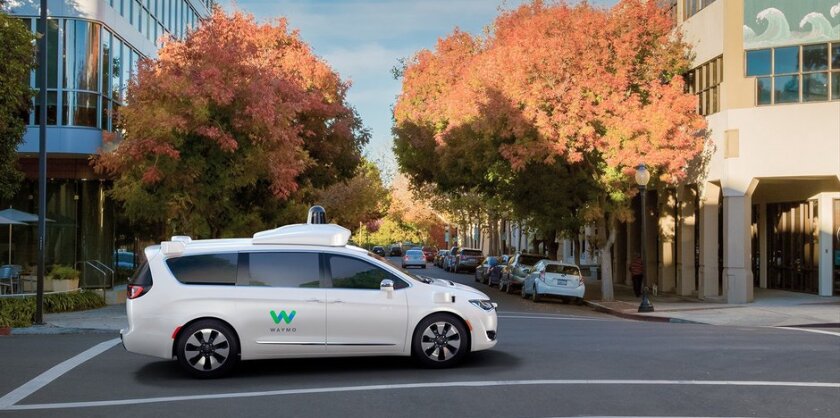
- Tesla, Waymo Report New Crashes as Robotaxis Face Scrutiny
- Maine Courts Push for More Cybersecurity as Records Move Online
- Opinion: How Social Tech Has Transformed Us — for Better and Worse
- Government Data Privacy Considerations in the ICE Age
- Texas Toll Road Will Be Test Ground for Autonomous Big Rigs







