
-
 Born from the chaos of 9/11, FirstNet provides a mobile phone network designed for public safety professionals. The new deal comes as the U.S. Congress considers a 10-year reauthorization of FirstNet.
 -
At the Emergency Medical Services Academy in Clatsop County, Ore., teens get firsthand exposure to emergency medicine and rotate through ambulance services, fire departments, hospitals and the Life Flight base.
-
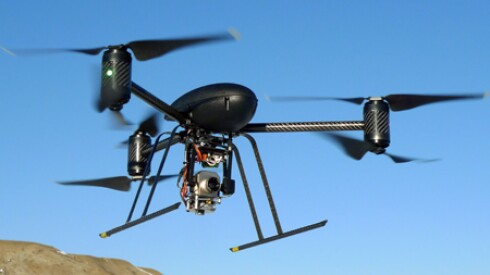
The National League of Cities will work with tech company BRINC to educate cities, towns and villages on standing up drone-as-first-responder programs. That includes assistance on FAA approvals and training.


More Stories
-
The Drone as First Responder program, piloted earlier this year, is now operational in five command areas of the New York City Police Department. The devices are intended to assist police in responding to shots-fired calls, robberies and other crimes.
-
As part of its NG911 efforts, the state can now fix the location of mobile phone calls to within three feet. Emergency calls from landlines also are getting better in a project that could offer lessons for others.
-
ForceMetrics co-founder and CEO Andre McGregor addresses the need for real-time, actionable insights into critical risks for first responders to make them safer and more effective.
-
The wildfire broke out late Friday on Neversink Mountain near the outskirts of Reading, giving rise to a fast-spreading blaze driven by dry conditions and intensified by gusts of wind that peaked at 35 mph.
-
The DeKalb Fire Protection District was awarded the State and Local Fiscal Recovery Funds Fire Protection Grant, which is funded by the American Rescue Plan Act and will help replace outdated equipment.
-
The county’s 911 system can now receive pictures, videos and livestreams from callers. Dispatchers will be able to send people a link to send their location, images or a video — or even a livestream.
-
Firefighters from across the country will join federal Homeland Security Department officials at the FDNY Fire Academy for a deep dive on how to tackle deadly lithium-ion battery fires.
-
A $2 million state appropriation will soon be used to expand training opportunities for future firefighters at a Macomb County training facility that will eventually resemble a real functional fire station.
-
The company gets real-time data to officers so they can have a fuller understanding of emergency calls and the people involved. ForceMetrics last year became part of an Amazon gov tech innovation push.
-
Next-generation 911 with the resilience of a modern, digital, Internet protocol-based network was essential to North Carolina’s storm response. It enabled officials to answer nearly 90,000 emergency calls in three days.
-
The Montgomery County Attorney's Office has said it supports law enforcement in keeping parts of vehicle chase policies confidential, after a pursuit ended in a head-on collision. The incident occurred in early October.
-
The northern San Diego suburb has opened a new fire station more than a decade in the making, which will house the city’s first electric fire engine. The engine and infrastructure cost around $2.7 million.
-
The public safety tech firm, which sells license plate readers and other tools, has bought Aerodome, which specializes in making drones useful for law enforcement. Flock Safety has big drone plans for the upcoming year.
-
The Future Fire Academy equips participants with accredited training in numerous aspects of fighting wildfires, and then upon release, formerly incarcerated people also receive help applying for jobs.
-
As public safety technology embraces cameras, software and other tools, Veritone is integrating more data from partners into its evidence management “central hub.” The move follows a recent product expansion deal.
-
Customers of Midwest Public Safety will now have access to products from Veritone. The public safety tech supplier sells digital evidence management and other tools powered by AI and used by some 3,500 clients.
-
As emergency dispatch centers transition to the mobile age, massive venture capital firm Andreessen Horowitz is betting that Prepared can help lead the public safety pack. The company’s CEO talks more about his new funding round.
-
The event at Albany State University offered police officers, communications officers, firefighters, paramedics and other emergency personnel a chance to discover what resources are available to deal with job stress.






Most Read








