
-
 The new online platform brings together previously disparate center-based care resources in one searchable map. It features data on roughly 10,000 child-care providers. Filters include location and cost.
 -
A survey of 386 global experts suggests governments, businesses, educators and communities must act together to counter dangerous overreliance, displaced workers, mental health problems and other risks from AI.
-
Multiple hospitals in rural Minnesota are reporting that Medicare is incorrectly rejecting claims for patient care due to a problem that appears to be related to a system put in place last year.


More Stories
-
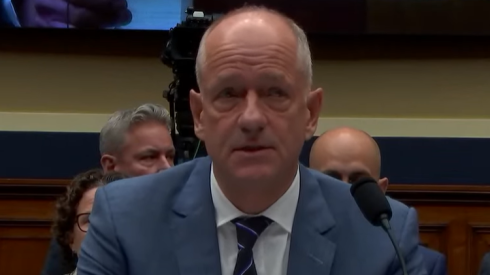
At a congressional hearing, UnitedHealth Group CEO Andrew Witty said the cyber theft includes personally identifiable information on “maybe a third” of all Americans.
-
The state is recommending a $1.4 million contract for more efficient incident management, including automated reports, be approved. Doing so should speed up response time on children, youth and family cases.
-
A Montgomery County commission approved spending more than $328,000 through March 2025 on the first two phases of work for the new safety net portal. The goal is to better connect providers across the community.
-
Idaho’s Department of Health and Welfare’s Project Filter applauds the use of technology for intervention measures, but implores school leaders to provide alternatives to suspension and address teen nicotine addiction.
-
Nearly 2,800 patients at Catholic Medical Center in Manchester may have had files with personal and health information exposed, in what the hospital called a third-party “data security incident.” Those potentially affected will be notified by mail.
-
Keegan Lee was in ninth grade when she realized her addiction to social media apps had become "all-consuming." She has spent much of the past several years writing and raising awareness about social media addiction.
-
After a ransomware attack recently caused major issues for medical providers as well as their patients, lawmakers are looking for policy moves that can protect against a repeat.
-
The North Dakota Hospital Association is working with a cybersecurity company and an insurance firm to offer affordable services to hospitals and health-care organizations statewide. It comes as cyber attacks on health-care groups are rising.
-
A cyber attack reported by Group Health Cooperative of South Central Wisconsin in January affected 533,809 people, the HMO told federal regulators this week, and stolen data may include Social Security numbers.
-
The California Health and Human Services Agency’s new IT and Data Strategic Plan underscores a resident-centric, integrated approach to services. It highlights the crucial role of IT professionals in advancing digital equity.
-
Change Healthcare has reportedly already paid off one set of cyber attackers, but now a second group is claiming that it has stolen data, too.
-
More than 23 million low-income households are enrolled in a federal discount program that is expected to run out of money in April or May, according to the Federal Communications Commission.
-
With the help of a grant, the public library in Glenmora, La., has deployed telehealth kiosks to its branches, offering equipment like blood pressure measuring cuffs and scales for residents to use.
-
Amid a growing body of research and lawsuits related to the subject, social media addiction was the focus of a presentation at the National School Boards Association conference this week, featuring a student with firsthand experience.
-
Officials at Quincy School District in Washington say phones have changed the dynamics of bullying by extending it beyond school hours, and most bullying incidents start on social media.
-
Responding to a spike in reported scams targeting local seniors, Solano County's Older and Disabled Adult Services and Adult Protective Services have launched the Solano Senior Fraud Prevention Center.
-
A recent debilitating cyber attack struck Change Healthcare, a massive health-care technology company that among other services handles about half the medical claims in the country.
-
Data and anecdotes alike have shown excessive use of smartphones and social media are negatively impacting students' social-emotional skills. Many school districts are implementing programs to counter this.


Most Read








