
-
 San Jose is the latest city whose use of the cameras to snag criminal suspects, critics say, also threatens privacy and potentially runs afoul of laws barring access by out-of-state and federal agencies.
 -
The Flathead County Sheriff's Office is set to receive a new remote underwater vehicle after getting approval from county commissioners on Tuesday.
-
The Larimer County Sheriff’s Office on Monday arrested the man after he reportedly stole a vehicle from a business in east Fort Collins, set it on fire and damaged nearby agricultural land.


More Stories
-
There is a concern that Bitcoin machines could be used for money laundering, experts say, as Northwest Ohio has become one of the United States' largest concentrations of Bitcoin dispensers.
-
The companies deal in automated traffic enforcement solutions, including a growing suite of AI and data offerings. Now they are forming what they call the largest transportation enforcement company in the U.S.
-
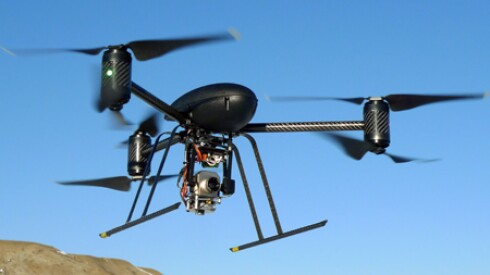
The Harford County Sheriff's Office has started using drones for search-and-rescue missions and other tasks. The drones were purchased using seized resources from convicted criminals.
-
The Piedmont Police Department is using automatic license plate reader technology to keep its citizens safe and to find people suspected of a crime. A new transparency portal is helping residents understand how they work.
-
Dozens of additional crime cameras will be installed in New Orleans later this year in an effort to help police catch violent offenders and illegal dumpers, the City Council decided Thursday.
-
Years ago, Albuquerque, N.M., installed a red light camera system that was unpopular and eventually canned. The city is now considering a new camera system that would only target vehicles moving at dangerous speeds.
-
The last year has seen an increase in ethical questions around how law enforcement uses tech. But not all policing technology is meant to catch criminals — much of it is designed to support community re-entry.
-
All of the 84 officers in the Bangor Police Department will now be equipped with body cameras, a new tool years in the making for the city, and police and prosecutors are welcoming the new technology.
-
By slowing down drivers 2 miles per hour in strategic areas during high-risk times of day, the startup and its government partners found they could reduce highway crashes in Southern Nevada.
-
When police overuse DNA databases and facial recognition, they violate rights, often disproportionately. Policy should limit use of DNA databases and facial recognition to cases involving significant danger to society.
-
A cyber attack on the NYC Law Department has prevented lawsuits about the NYPD's handling of 2020 protests from moving forward. The city has dodged questions about whether it uses multifactor authentication.
-
Through a partnership with Waze, NJ Transit is working to alert drivers as they approach railroad crossings. Since 1975, 187 people have been killed at railroad crossings in the state, according to federal data.
-
Criminal organizations around the world thought they were using the latest, most exclusive encrypted cellphone technology available to conduct business away from the prying eyes of law enforcement.
-
Spot, a robot dog produced by Boston Dynamics, has been employed by a few police departments over the last couple of years, raising the antennas of surveillance critics. Does Spot have a future in public safety?
-
Tyler is buying up a company that provides a range of corrections technology, including commissary management and video visits. Especially during the pandemic, it’s made tools like emails and texts free to inmates.
-
Maryland is one of the first states in the country to set rules limiting how police can use the popular websites and their databases, doing so by passing new legislation related to the matter just this year.
-
For about two years, the Anchorage Police Department in Alaska accidentally uploaded personal information of individuals involved in traffic accidents to LexisNexis. A system malfunction caused the leaks.
-
The police force of Azusa, Calif., recently experienced a ransomware attack, an event hidden from the public for months. A new investigation shows the agency also remained silent about an attack that occurred in 2018.





Most Read








