

The state is modernizing a legacy mainframe, working with federal counterparts and participating in the Child Welfare Technology Incubator initiative from the Administration for Children and Families.
-
 Plus, new legislation would revive the FCC’s equity council if enacted, a report reveals connectivity gaps in tribal communities, some municipal broadband networks outperform their competitors, and more.
 -
Northlake, located in North Texas, turned to Envisio dashboard technology to help manage capital planning. One of the town’s officials and an Envisio executive talk about the deployment and the future of dashboards.
-
Nate Denny, former deputy secretary for the Department of Information Technology, will lead it starting next month. In his earlier role, he guided the state’s broadband expansion.
-
As jobs, skills and industries evolve faster than ever, state-led data systems are demonstrating how to deliver timely, actionable insights that connect workers with the skills employers actually need.


Most Read

Cybersecurity


From The Magazine
-
 From Pilot to Launch: What will it take to scale AI in government?

-
 As fears of an AI “bubble” persist, officials and gov tech suppliers are looking to move past pilots and deploy larger, more permanent projects that bring tangible benefits. But getting there is easier said than done.
 -
Artificial intelligence has been dominant for several years. But where has government taken it? More than a decade after the GT100's debut, companies doing business in the public sector are ready to prove their worth.
-
The boom of early Internet in the mid-1990s upended government IT. The rise of artificial intelligence isn't exactly the same, but it isn't completely different. What can we learn from 30 years ago?


More News
-
A coalition of 17 states filed a lawsuit seeking to block the new mandate, arguing it imposes onerous reporting demands and requests data that universities may not be compelled to expose due to student safety.
-
Amid gamified lessons, video-directed read-alouds and assigned work on tablets for students as young as age four, at least 16 states have introduced legislation in 2026 to reevaluate screen time or vet ed-tech tools.
-
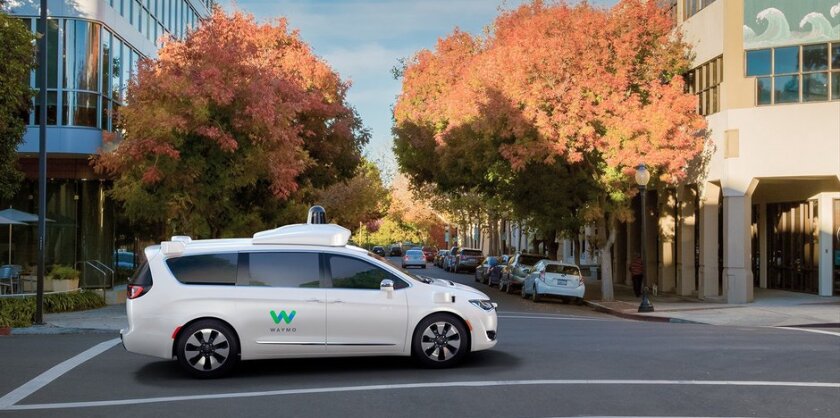
Tesla Inc. and Waymo have reported more crashes in Austin, Texas, over the course of the past month as both companies face increasing pressure to improve their self-driving vehicle technology.
-
Federal agencies are requesting access to state and local government data for immigration enforcement purposes. Some experts argue this could impact public trust, but protections can be implemented.




-
Five North Texas cities — Dallas, Arlington, Plano, Frisco and DeSoto — have started vying to become the first in the U.S. to pilot the novel transportation system known as Whoosh.
-
Legislation expanding access to telemedicine in Pennsylvania received final Senate approval and is now set to be signed into law by Gov. Josh Shapiro, Sen. Lisa Baker said Thursday.
-
Uber and Lyft reached a $175 million settlement with Massachusetts to resolve a multiyear lawsuit around the classification of drivers working for the companies, according to a statement released Thursday.
-
AI tools excel at generating content, but knowing what to do with that content is the skill that human users must bring to the table. Students tend to learn it best when trying to solve problems they care about.
-
The application, DROPS, or Direct Resource Outreach and Placement Service, enables city staff to create and track digitized case files. It’s intended to streamline access to resources and avoid disconnections in the process.
-
Plus, the USDA is providing $25 million for rural broadband; Pennsylvania offers $20 million worth of devices; Raleigh, N.C., gets a state grant; and more.


Question of the Day
Editorial













