

The FBI’s annual Internet Crime Report shows that emerging technologies are shaping cyber theft, with digital fraud and related losses reaching new highs in 2025, topping more than $21 billion forfeited.
-
 Plus, Massachusetts is distributing nearly 27,000 devices, the Atlanta Regional Commission is launching a digital skills training initiative, Nashville is working to expand language access, and more.
 -
Cities sometimes sign contracts for technology like digital twins after they've been presented a best-case-scenario pitch from software vendors. Here’s a guide for procurement officers who want to avoid common pitfalls.
-
The deal provides Motorola Solutions with HyperYou’s agentic AI for handling nonemergency calls, as well as real-time language translation. The general idea is that AI can help alleviate call center staffing shortages.
-
San Jose, Calif., formed the GovAI Coalition in 2023 to bring technologists from different sectors together to collaborate on AI governance. After a unanimous vote, it will now go forward as a nonprofit.


Most Read

Cybersecurity


From The Magazine
-
 From Pilot to Launch: What will it take to scale AI in government?

-
 As fears of an AI “bubble” persist, officials and gov tech suppliers are looking to move past pilots and deploy larger, more permanent projects that bring tangible benefits. But getting there is easier said than done.
 -
Artificial intelligence has been dominant for several years. But where has government taken it? More than a decade after the GT100's debut, companies doing business in the public sector are ready to prove their worth.
-
The boom of early Internet in the mid-1990s upended government IT. The rise of artificial intelligence isn't exactly the same, but it isn't completely different. What can we learn from 30 years ago?


More News
-
Researchers at Digital Promise position outcomes-based contracts (OBC) not as a guarantee of student proficiency, but as a method for making sure ed-tech tools are implemented and used properly.
-
The town Select Board unanimously approved appropriating the funds to outfit 50 police officers with the cameras and software. The cost also includes record retention equipment.
-
New legislation signed by Gov. Abigail Spanberger requires schools to impose bell-to-bell phone restrictions, teach kids about social media addiction, promote the suicide crisis hotline and align CTE with workforce needs.
-
An incoming doctoral student in the UM School of Information built a digital campus map focused on student needs: empty classrooms for studying, transit routes, university services and even weather information.


-
Northlake, located in North Texas, turned to Envisio dashboard technology to help manage capital planning. One of the town’s officials and an Envisio executive talk about the deployment and the future of dashboards.
-
A coalition of 17 states filed a lawsuit seeking to block the new mandate, arguing it imposes onerous reporting demands and requests data that universities may not be compelled to expose due to student safety.
-
Nate Denny, former deputy secretary for the Department of Information Technology, will lead it starting next month. In his earlier role, he guided the state’s broadband expansion.
-
Amid gamified lessons, video-directed read-alouds and assigned work on tablets for students as young as age four, at least 16 states have introduced legislation in 2026 to reevaluate screen time or vet ed-tech tools.
-
As jobs, skills and industries evolve faster than ever, state-led data systems are demonstrating how to deliver timely, actionable insights that connect workers with the skills employers actually need.
-
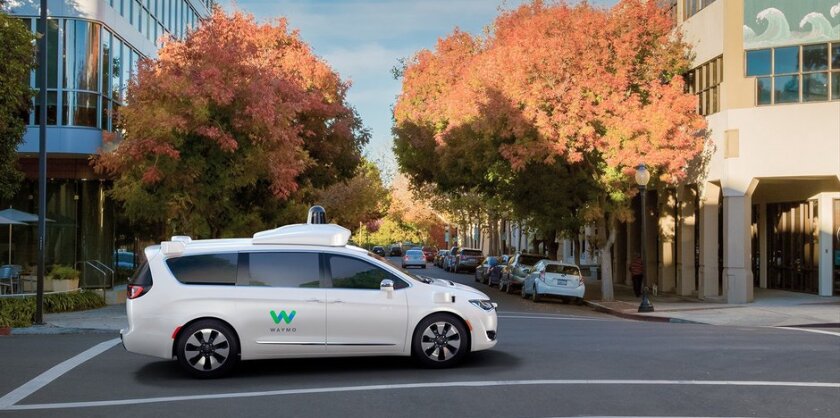
Tesla Inc. and Waymo have reported more crashes in Austin, Texas, over the course of the past month as both companies face increasing pressure to improve their self-driving vehicle technology.



Question of the Day
Editorial













