

As jobs, skills and industries evolve faster than ever, state-led data systems are demonstrating how to deliver timely, actionable insights that connect workers with the skills employers actually need.
-
 Federal agencies are requesting access to state and local government data for immigration enforcement purposes. Some experts argue this could impact public trust, but protections can be implemented.
 -
The state has put out a new call for applicants to help state agencies with AI, data analytics, emergency technologies and other areas. The push reflects similar programs from other governments.
-
The Colorado AI Policy Work Group has developed, and now approved, a framework for changes to the state’s landmark legislation establishing consumer protections related to AI. Transparency is a priority.
-
As AI and growing software supply chains make cybersecurity more complicated, there are also ways that organizations can and should strengthen their defenses.


Most Read

Cybersecurity


From The Magazine
-
 From Pilot to Launch: What will it take to scale AI in government?

-
 As fears of an AI “bubble” persist, officials and gov tech suppliers are looking to move past pilots and deploy larger, more permanent projects that bring tangible benefits. But getting there is easier said than done.
 -
Artificial intelligence has been dominant for several years. But where has government taken it? More than a decade after the GT100's debut, companies doing business in the public sector are ready to prove their worth.
-
The boom of early Internet in the mid-1990s upended government IT. The rise of artificial intelligence isn't exactly the same, but it isn't completely different. What can we learn from 30 years ago?


More News
-
Amid gamified lessons, video-directed read-alouds and assigned work on tablets for students as young as age four, at least 16 states have introduced legislation in 2026 to reevaluate screen time or vet ed-tech tools.
-
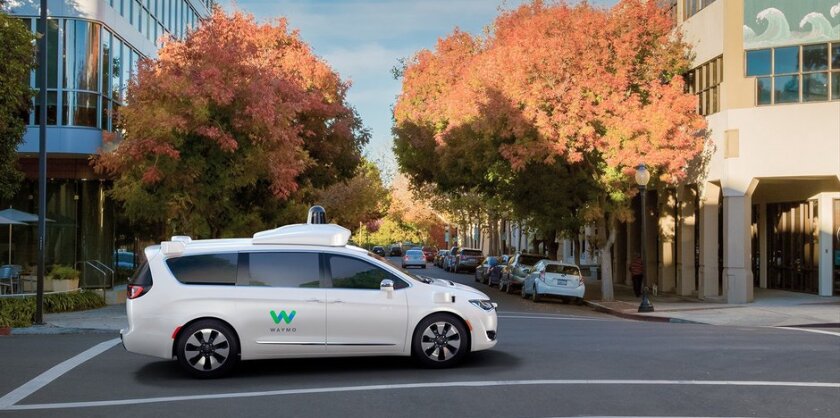
Tesla Inc. and Waymo have reported more crashes in Austin, Texas, over the course of the past month as both companies face increasing pressure to improve their self-driving vehicle technology.
-
Texas 130, a toll road linking Austin and San Antonio, will serve as a corridor for testing cab-less freight haulers. The firms involved characterized the highway as a strategic route for the region.
-
County commissioners got a revised schedule for federally funded broadband work. Service provider contracts remain to be signed, and construction is slated to wrap by the end of 2029.



-
The House Appropriations Committee recently approved a bill that would eliminate $2.19 billion in federal funding for the professional development of teachers, principals and school leaders.
-
The state’s Artificial Intelligence Strategy details how agencies will leverage the technology for predictive analysis, to improve resident services and drive workforce development. Ethics and security are part of the plan.
-
Over 67 acres owned by a Catholic liberal arts university in Irving, Texas, have been rezoned for a data center, slated for completion in 2027, that would support regional needs for data collection and artificial intelligence.
-
Colleagues remember Frank R. Taylor as a persuasive advocate for his agency during what a spokesman described as a "transformative period for the New Mexico State Police."
-
Officials in Middletown, N.J., have proposed a policy banning smartphone use in classrooms, bathrooms, locker rooms and most spaces outside of high school free periods, as a statewide ban is discussed.
-
Yolo County is proactively enhancing the security and trustworthiness of its online presence by transitioning all county professional email accounts and webpages from the ".org" domain to the ".gov" domain.


Question of the Day
Editorial













