

Research from the Center for Long-Term Cybersecurity at UC Berkeley shows that those states passed a total of 99 bills, with the majority of them passing between one and three pieces of legislation.
-
 From San Jose, Calif., to Washington, D.C., cities are advancing AI training for staffers or members of the public. Mesa, Ariz., recently launched its own AI education initiative to support adoption.
 -
A recent blog post from Anthropic, a large AI company in the U.S., signals that the tech can help governments "modernize" legacy systems based on that old language. The stakes are high, as so much still runs on COBOL.
-
The company collects intelligence from disparate public agencies that could help suppliers craft better proposals and pitches. The funding reflects the growing role of AI in government procurement.
-
Officials have formally named Bryce Bailey the state’s chief information security officer, elevating him from the interim role after nearly a month in place. Cybersecurity, he said, “is a long game.”


Most Read

Cybersecurity


From The Magazine
-
 From Pilot to Launch: What will it take to scale AI in government?

-
 As fears of an AI “bubble” persist, officials and gov tech suppliers are looking to move past pilots and deploy larger, more permanent projects that bring tangible benefits. But getting there is easier said than done.
 -
Artificial intelligence has been dominant for several years. But where has government taken it? More than a decade after the GT100's debut, companies doing business in the public sector are ready to prove their worth.
-
The boom of early Internet in the mid-1990s upended government IT. The rise of artificial intelligence isn't exactly the same, but it isn't completely different. What can we learn from 30 years ago?


More News
-
Elementary and middle school students in Wake County, N.C., aren’t allowed to use their phones at all during the school day, but the district is considering an exception for recording video for safety reasons.
-
A police official said that Flock Safety is providing one drone on loan for the town police force to try out, and they intend to start using it to get aerial coverage of Lewiston’s summer events.
-
Several signs suggest 2026 could be a tipping point for Florida when it comes to large-scale data centers, the facilities that house thousands of servers for AI and other tech programs.
-
The Institute of Museum and Library Services is funding eight projects to position cultural institutions as community hubs for AI education and workforce training.


-
The new Heartland AI Caucus unites six states under bipartisan leadership to shape regional AI strategies and foster innovation. Arkansas, Illinois, Louisiana, Ohio, Oklahoma and Tennessee are founding members.
-
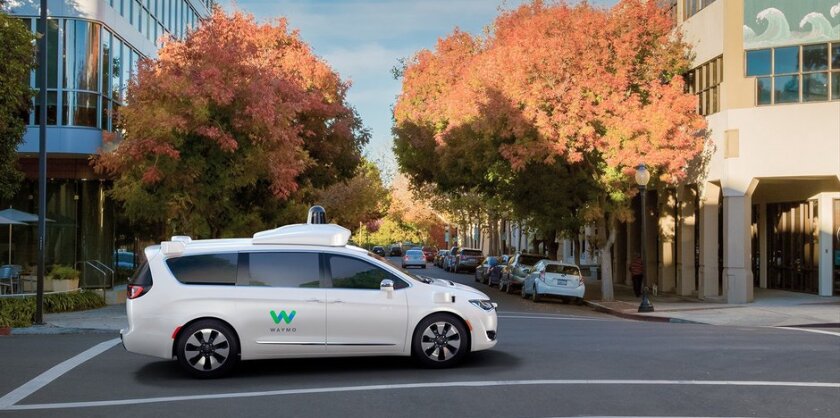
The autonomous vehicle provider has begun giving rides to a select California customer group along area freeways. Its self-driving vehicles will ferry passengers to San Jose Mineta International Airport.
-
The program will debut on a handful of streets in town limits. Drivers observed going 10 or more miles per hour over the speed limit will be cited. The technology will only capture images of speeding vehicles.
-
Starting this spring, students at Broken Arrow High School and Broken Arrow Virtual Academy in Oklahoma will be able to take an AI Foundations class, which will include lessons on coding and storytelling through data.
-
A south Texas school district developed digital responsibility guidelines and a vetting process for AI tools. Its teachers now use several AI apps like Snorkl and Eureka Math to engage students and give instant feedback.
-
With new data centers expected to drastically increase power consumption in the coming years, the Pennsylvania Public Utility Commission proposed a tariff model for electricity providers to impose on large-load customers.



Question of the Day
Editorial













