

An executive order from Gov. Gavin Newsom compels several state departments to recommend procurement changes that would let AI companies explain policies and safeguards. It aims to mitigate risk around innovation.
-
 The six-month project, aimed at advancing options for electrified delivery, offered new understanding of digital curb management, its opportunities — and whether parked vehicles are permitted users.
 -
The state CIO has been working on enhancing digital services for residents and business owners while educating government employees about emerging technologies like AI, for continuous improvement.
-
Born from the chaos of 9/11, FirstNet provides a mobile phone network designed for public safety professionals. The new deal comes as the U.S. Congress considers a 10-year reauthorization of FirstNet.
-
As chief technology officer, Michael Deegan, an executive with more than 25 years’ experience, will oversee the city’s IT strategy, cybersecurity and infrastructure amid growing digital demand.


Most Read

Cybersecurity


From The Magazine
-
 From Pilot to Launch: What will it take to scale AI in government?

-
 As fears of an AI “bubble” persist, officials and gov tech suppliers are looking to move past pilots and deploy larger, more permanent projects that bring tangible benefits. But getting there is easier said than done.
 -
Artificial intelligence has been dominant for several years. But where has government taken it? More than a decade after the GT100's debut, companies doing business in the public sector are ready to prove their worth.
-
The boom of early Internet in the mid-1990s upended government IT. The rise of artificial intelligence isn't exactly the same, but it isn't completely different. What can we learn from 30 years ago?


More News
-
An ed-tech company is offering online after-school courses for students in grades K-6 featuring project-based, standards-aligned curriculum focused on topics like STEAM, civic engagement and life skills.
-
The sheriff’s office has turned off an estimated 200 automated license plate readers, indicating the devices which are part of most patrol cars do not comply with the new state Driver Privacy Act.
-
A year after New York state passed a law mandating fully electric school bus fleets by 2035, school district leaders are worried about infrastructure and energy costs, battery capacity and physical limitations.
-
A poll of 94,000 students, faculty and staff across 22 CSU campuses found nearly every respondent had used AI at some point, but students were still wary of trusting it and faculty reported negative effects.


-
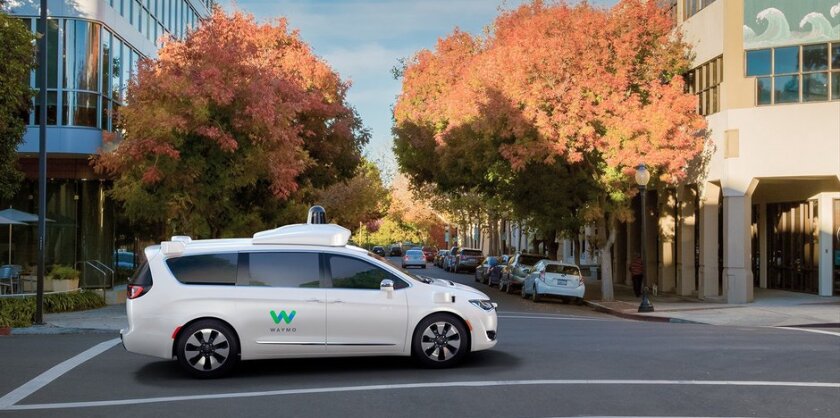
Tesla Inc. and Waymo have reported more crashes in Austin, Texas, over the course of the past month as both companies face increasing pressure to improve their self-driving vehicle technology.
-
Maine's court system wants to hire its first full-time cybersecurity employee amid an ongoing shift that has seen most records starting to become available online
-
Federal agencies are requesting access to state and local government data for immigration enforcement purposes. Some experts argue this could impact public trust, but protections can be implemented.
-
Texas 130, a toll road linking Austin and San Antonio, will serve as a corridor for testing cab-less freight haulers. The firms involved characterized the highway as a strategic route for the region.
-
The state has put out a new call for applicants to help state agencies with AI, data analytics, emergency technologies and other areas. The push reflects similar programs from other governments.
-
County commissioners got a revised schedule for federally funded broadband work. Service provider contracts remain to be signed, and construction is slated to wrap by the end of 2029.


Question of the Day
Editorial













