

Lessons on humility, careers, the automotive sector, “cowboy coding” and disrupting with AI from a lifelong innovator.
-
 Experts and public-sector technologists say the AI-powered software development technique may one day offer government the ability to fast-track ideas, improve procurement and more.
 -
The world’s biggest sporting event, set for the U.S., Canada and Mexico, is months away, and that means gov tech suppliers are preparing to make sure everyone stays safe. Drones are a main area of concern.
-
As artificial intelligence continues to evolve, how can public-sector teams prepare organizationally for the next generation of cyber attacks and equip themselves with the right tools?
-
A new report by the American Council for an Energy-Efficient Economy urges regulators and utilities to make the grid operate more efficiently. There are ways, experts said, to absorb part of data centers’ growth.


Most Read

Cybersecurity


From The Magazine
-
 From Pilot to Launch: What will it take to scale AI in government?

-
 As fears of an AI “bubble” persist, officials and gov tech suppliers are looking to move past pilots and deploy larger, more permanent projects that bring tangible benefits. But getting there is easier said than done.
 -
Artificial intelligence has been dominant for several years. But where has government taken it? More than a decade after the GT100's debut, companies doing business in the public sector are ready to prove their worth.
-
The boom of early Internet in the mid-1990s upended government IT. The rise of artificial intelligence isn't exactly the same, but it isn't completely different. What can we learn from 30 years ago?


More News
-
The College Board’s new ban on Internet-connected smart glasses signals a broader shift, where schools must move beyond traditional test proctoring toward more sophisticated data forensics to ensure exam integrity.
-
Grammar Laboratory, a new tool developed by an ASL instructor at Rochester Institute of Technology’s National Technical Institute for the Deaf, uses the live feedback capabilities of AI to personalize English lessons.
-
Authorities at Newark Liberty International Airport are scrutinizing three small electric shuttles. Testing will commence in earnest next month with an eye for weather conditions but sans actual passengers.
-
A new Energy Learning Center simulator at Washington State University Tri-Cities in Richland will allow students to learn and practice operating an advanced small modular nuclear reactor.


-
The city launched its 12-month e-scooter pilot program over Memorial Day weekend, allowing private and shared electric scooters to operate on designated portions of the Shoreline Pedestrian Bike Path.
-
The Bakersfield City Council approved a $250,000 grant for a United Kingdom-based neuroscience startup that local educators and business leaders hope will bring high-paying jobs to the area.
-
The state is on course to stand up a taxpayer-funded nuclear power incentive fund, following a Texas Senate vote on Tuesday. If it passes, the proposal would dedicate an estimated $350 million toward development.
-
Following the retirement of state CISO Bob Dehnhardt, officials have named Nevada’s deputy information security leader to the top role. A search for his permanent successor is expected to follow.
-
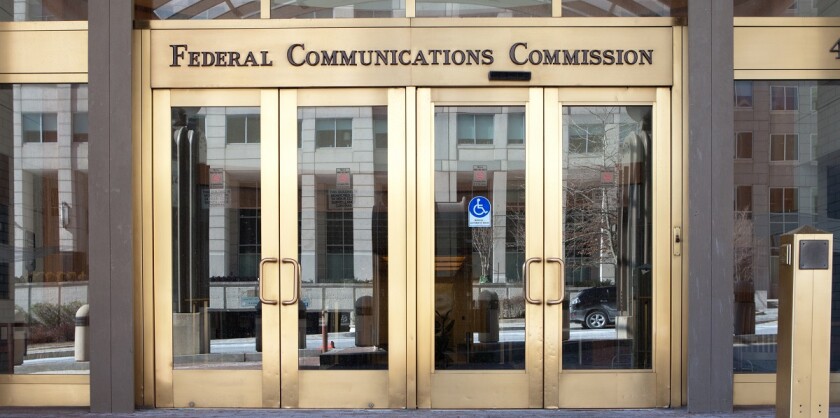
Democrat Geoffrey Starks will depart the FCC within the next month, leaving the agency with a 2-1 Republican majority. Whether the GOP members will move to reverse past E-rate expansions remains to be seen.
-
State elected officials are working on a legislative package that would address growing energy needs and rising costs — without derailing ambitious carbon-free goals. A driving force is capacity spikes.




Question of the Day
Editorial













