

The state has already deployed roadside devices and onboard units in state maintenance vehicles. Next, the North Carolina Turnpike Authority will work with a hand-selected 100-person test group.
-
 Govineer will add to its lineup proprietary water utility and irrigation management software from TrueBill, formerly part of GovPath. Govineer serves more than 2,000 local governments across the U.S.
 -
A partnership between the North Carolina Department of IT and the Carolina Cyber Network is giving students real-world cyber defense experience while helping the state build up its workforce.
-
A deep dive into Iranian cyber warfare and actionable defenses for network operators.
-
Streets’ many users, their large amount of potential data and the complexity of standing up digital curb systems can pose challenges. A digital map or street inventory can be a first step for local government.


Most Read

Cybersecurity


From The Magazine
-
 From Pilot to Launch: What will it take to scale AI in government?

-
 As fears of an AI “bubble” persist, officials and gov tech suppliers are looking to move past pilots and deploy larger, more permanent projects that bring tangible benefits. But getting there is easier said than done.
 -
Artificial intelligence has been dominant for several years. But where has government taken it? More than a decade after the GT100's debut, companies doing business in the public sector are ready to prove their worth.
-
The boom of early Internet in the mid-1990s upended government IT. The rise of artificial intelligence isn't exactly the same, but it isn't completely different. What can we learn from 30 years ago?


More News
-
The proposed legislation would, its sponsor said, create a “clear and predictable framework” for autonomous vehicles. Opponents say it doesn’t do enough to safeguard road safety and jobs.
-
SLICFiber, based in the state’s northernmost county, will build out a fiber optic network across nearly all of the north country. The company now has about 4,500 miles of fiber-optic laid in the region.
-
Superintendent of Schools Michele Blatt cautioned against regulations that could quickly become outdated, as the West Virginia Department of Education has already revised its AI guidelines twice since January 2024.
-
As artificial intelligence and digital tools continually reshape their coursework, students say common frustrations include a lack of clear AI guidance, an overabundance of tools and apps, and Wi-Fi connectivity issues.


-
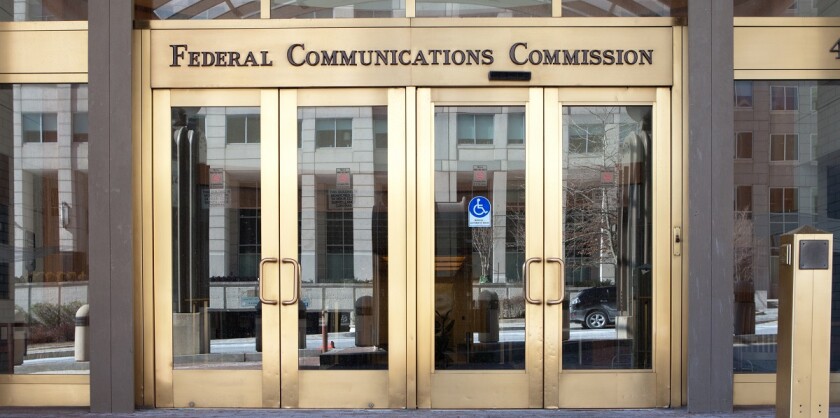
Democrat Geoffrey Starks will depart the FCC within the next month, leaving the agency with a 2-1 Republican majority. Whether the GOP members will move to reverse past E-rate expansions remains to be seen.
-
State elected officials are working on a legislative package that would address growing energy needs and rising costs — without derailing ambitious carbon-free goals. A driving force is capacity spikes.
-
The state Senate and House of Representatives have both halted a bill that would have compelled the state to stop issuing drivers’ licenses and ID cards. As of April 1, just 27 percent of Mainers have a Real ID.
-
Separated from live systems and sensitive public data, sandboxes let states and cities test drive artificial intelligence use cases without impacting services.
-
The private-public partnership has named its latest cohort. The companies now will set out to prove they can improve schedules, maintenance and inspections for the metro area’s transit system.
-
A workshop for energy and data center developers, state agencies and community leaders to discuss affected industries, power providers and policy and regulatory agencies is planned for Sept. 18.


Question of the Day
Editorial













