

The company, founded in 2018, has also appointed two gov tech veterans as Esper embraces AI and builds out its products. CEO and Co-Founder Maleka Momand gives more details about these developments.
-
 The state has already deployed roadside devices and onboard units in state maintenance vehicles. Next, the North Carolina Turnpike Authority will work with a hand-selected 100-person test group.
 -
Govineer will add to its lineup proprietary water utility and irrigation management software from TrueBill, formerly part of GovPath. Govineer serves more than 2,000 local governments across the U.S.
-
A partnership between the North Carolina Department of IT and the Carolina Cyber Network is giving students real-world cyber defense experience while helping the state build up its workforce.
-
A deep dive into Iranian cyber warfare and actionable defenses for network operators.


Most Read

Cybersecurity


From The Magazine
-
 From Pilot to Launch: What will it take to scale AI in government?

-
 As fears of an AI “bubble” persist, officials and gov tech suppliers are looking to move past pilots and deploy larger, more permanent projects that bring tangible benefits. But getting there is easier said than done.
 -
Artificial intelligence has been dominant for several years. But where has government taken it? More than a decade after the GT100's debut, companies doing business in the public sector are ready to prove their worth.
-
The boom of early Internet in the mid-1990s upended government IT. The rise of artificial intelligence isn't exactly the same, but it isn't completely different. What can we learn from 30 years ago?


More News
-
Mayor Gina Ortiz Jones is gathering emerging tech experts as part of an Economic Security Advisory Group. It will explore making the city competitive in AI, quantum tech and related sectors.
-
In answer to budgetary and enrollment woes, Louisiana is looking at whether to consolidate some of its universities or refocus their programs on industry-aligned programs in fields like cybersecurity and pharmaceuticals.
-
Free, teacher-vetted lessons offered online by the nonprofit CYBER.ORG are designed to support and re-establish the caregiver’s role as an active participant in a student’s tech-driven education.
-
Starting this spring, a new state test called the New Jersey Student Learning Assessments-Adaptive for grades 3-10 will be “adaptive,” meaning students will get different questions based on their previous answers.


-
New legislation in Alabama bans K-12 students from using portable communication devices on campus during the school day and requires that they be trained on the risks of social media.
-
Drones are quickly taking on more roles in law enforcement, disaster management and other tasks. Their latest role is arriving at emergency situations before humans do, collecting information for police.
-
The recent groundbreaking commences work that ultimately will connect nearly 100 homes and businesses in the area with high-speed Internet. It’s paid for with federal American Rescue Plan Act and local matching funds.
-
After a nearly five-month investigation, officials determined that compromised sensitive information included names, addresses, Social Security numbers, financial account information, passport numbers and more.
-
Gov. Phil Murphy has signed a bill establishing third-degree criminal penalties in the state for people who produce deepfake audio or visual media for unlawful purposes — or who share deepfakes created for unlawful purposes.
-
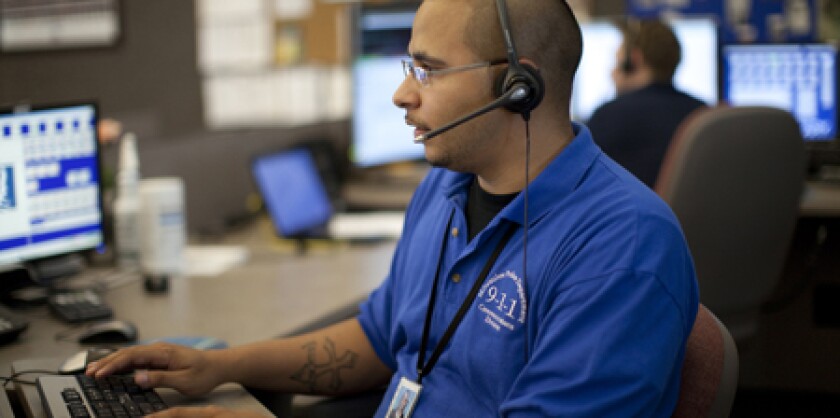
Moving to Next-Gen 911 is more than just a technical challenge; it's a moral imperative as public safety agencies work to meet the needs of all Americans, including those with disabilities or language barriers, during emergencies.





Question of the Day
Editorial













