

The southwestern Arizona government has named Jeremy Jeffcoat, a former city of Yuma tech exec, its CIO. Before his time at the city, he spent more than a decade supporting Yuma County IT operations.
-
 Like freeways, major technology systems can be multiyear endeavors. Procurement expert and columnist Daniel C. Kim asks: If that’s the case, why are we funding them like annual operating expenses?
 -
Specifically, Vermont is now paying for a statewide membership program, which extends cybersecurity support to the municipalities and other public-sector organizations within its borders.
-
The FBI’s annual Internet Crime Report shows that emerging technologies are shaping cyber theft, with digital fraud and related losses reaching new highs in 2025, topping more than $21 billion forfeited.
-
Plus, Massachusetts is distributing nearly 27,000 devices, the Atlanta Regional Commission is launching a digital skills training initiative, Nashville is working to expand language access, and more.


Most Read

Cybersecurity


From The Magazine
-
 From Pilot to Launch: What will it take to scale AI in government?

-
 As fears of an AI “bubble” persist, officials and gov tech suppliers are looking to move past pilots and deploy larger, more permanent projects that bring tangible benefits. But getting there is easier said than done.
 -
Artificial intelligence has been dominant for several years. But where has government taken it? More than a decade after the GT100's debut, companies doing business in the public sector are ready to prove their worth.
-
The boom of early Internet in the mid-1990s upended government IT. The rise of artificial intelligence isn't exactly the same, but it isn't completely different. What can we learn from 30 years ago?


More News
-
Educators moved quickly in the pandemic era to scale access to virtual learning — but governance, accountability and data systems have not kept pace. A patchwork of models and standards complicates solutions.
-
County commissioners approved a contract that will begin with a free nine-month pilot, but could extend to a three-year, $2.5 million pact. Residents voiced a variety of concerns about the drone program.
-
In light of staffing shortages and budget cuts, California State University, Los Angeles, is contracting with the software company Terra Dotta for tools and services to handle federal immigration reporting.
-
Student interns at the nonprofit xSpring got hands-on research experience while helping develop a “virtual neurologist” that could speed stroke diagnosis and expand access to lifesaving treatment.


-
The North Star for the federal Broadband Equity, Access and Deployment program is comprehensive connectivity for all homes and businesses, officials said at the Connecting Communities Summit. That could come through fiber or fixed wireless.
-
Boston City Council intends to seek more information from school officials about a report on the city's surveillance technologies, including which areas of school buildings are filmed and how the footage is used.
-
As part of its new Nursing and Artificial Intelligence Innovation Consortium, the university will offer a first-of-its-kind master’s program to prepare nurses for leadership roles in health care technology.
-
Being designated as a National Center of Academic Excellence in Cybersecurity, the University at Albany offers a scholarship for cybersecurity students willing to work for the Department of Defense after graduation.
-
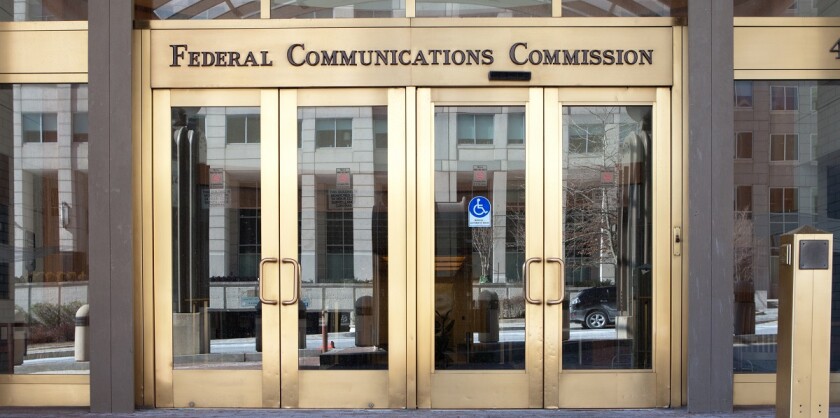
President-elect Donald Trump has chosen Brendan Carr, the senior Republican on the Federal Communications Commission, as the commission’s next chair, he said in a statement.
-
A new survey from the nonprofit organization the News Literacy Project found that 81 percent of teens believe at least one conspiracy theory, and they often see such theories on social media.




Editorial













