

Ahead of the application deadline for the eighth annual Transit Tech Lab challenge, officials and tech leaders from New York City transportation organizations revealed areas ripe for innovation.
-
 Navigating insights from the World Economic Forum’s meeting at Davos on AI-driven threats, the push for digital sovereignty and the weaponization of critical global infrastructure.
 -
Lee E. Micai, a longtime technologist in Mercer County government, has been named to the role, which he said entails responsibilities previously assigned to the head of IT. His tenure began last month.
-
Tarek Tomes, who is also commissioner of Minnesota IT Services, will leave in mid-March for a tech role in higher education. When he does, Deputy Commissioner Jon Eichten will step in as interim CIO.
-
The state’s recently arrived director of cyber operations will work closely with state Chief Information Security Officer Chris Gergen to build and manage statewide cybersecurity strategy and operations.


Most Read

Cybersecurity


From The Magazine
-
 From Pilot to Launch: What will it take to scale AI in government?

-
 As fears of an AI “bubble” persist, officials and gov tech suppliers are looking to move past pilots and deploy larger, more permanent projects that bring tangible benefits. But getting there is easier said than done.
 -
Artificial intelligence has been dominant for several years. But where has government taken it? More than a decade after the GT100's debut, companies doing business in the public sector are ready to prove their worth.
-
The boom of early Internet in the mid-1990s upended government IT. The rise of artificial intelligence isn't exactly the same, but it isn't completely different. What can we learn from 30 years ago?


More News
-
Founded in 2025 over concerns about students not learning how to engage in evidence-based conversations about controversial topics, the Or Initiative aims to equip them with civil discourse skills.
-
Grand Valley State University's planned Blue Dot technology hub will include new event spaces, an immersive-reality lab with a 360-degree display, a cybersecurity lab, a multimedia production studio and other resources.
-
In testimony before the U.S. Senate, a top Waymo executive revealed that the autonomous vehicle company uses remote workers in the Philippines to assist its self-driving cars.
-
The Woodland City Council renewed a $300,000 contract with Flock Safety for automatic license plate readers this week, despite concerns from residents about privacy and data security.


-
Following the retirement of state CISO Bob Dehnhardt, officials have named Nevada’s deputy information security leader to the top role. A search for his permanent successor is expected to follow.
-
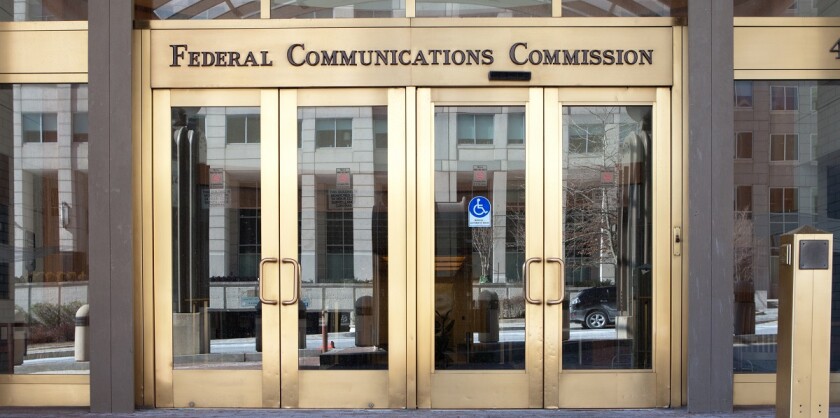
Democrat Geoffrey Starks will depart the FCC within the next month, leaving the agency with a 2-1 Republican majority. Whether the GOP members will move to reverse past E-rate expansions remains to be seen.
-
State elected officials are working on a legislative package that would address growing energy needs and rising costs — without derailing ambitious carbon-free goals. A driving force is capacity spikes.
-
The state Senate and House of Representatives have both halted a bill that would have compelled the state to stop issuing drivers’ licenses and ID cards. As of April 1, just 27 percent of Mainers have a Real ID.
-
Separated from live systems and sensitive public data, sandboxes let states and cities test drive artificial intelligence use cases without impacting services.
-
The private-public partnership has named its latest cohort. The companies now will set out to prove they can improve schedules, maintenance and inspections for the metro area’s transit system.



Question of the Day
Editorial














