

The Nevada Governor’s Technology Office has gone live with a refreshed site intended to be easier to modify as updates are needed — but more accessible and easier to use as well, with standardized layouts.
-
 Plus, a lack of funding is impacting digital inclusion initiatives, the U.S. House of Representatives advanced a bill for rural and tribal broadband, San Francisco has expanded its free Wi-Fi network, and more.
 -
Larger jurisdictions have until April 24 to comply with the Web Content Accessibility Guidelines, which means building accessibility into digital public services is no longer just a matter of best practice.
-
Americans should be on the alert for potential lone wolf cyber attacks amid the conflict in Iran, according to a bulletin issued to law enforcement from the Department of Homeland Security.
-
Lea Eriksen, who has been serving as director of the Department of Technology and Innovation for the Southern California city, will become the next senior assistant city manager in Culver City.


Most Read

Cybersecurity


From The Magazine
-
 From Pilot to Launch: What will it take to scale AI in government?

-
 As fears of an AI “bubble” persist, officials and gov tech suppliers are looking to move past pilots and deploy larger, more permanent projects that bring tangible benefits. But getting there is easier said than done.
 -
Artificial intelligence has been dominant for several years. But where has government taken it? More than a decade after the GT100's debut, companies doing business in the public sector are ready to prove their worth.
-
The boom of early Internet in the mid-1990s upended government IT. The rise of artificial intelligence isn't exactly the same, but it isn't completely different. What can we learn from 30 years ago?


More News
-
Odyssey CEO Joseph Connor, whose company is building infrastructure for the nation’s largest ESA rollout, says vetting local vendors is key to helping states and families make the most of digital wallets.
-
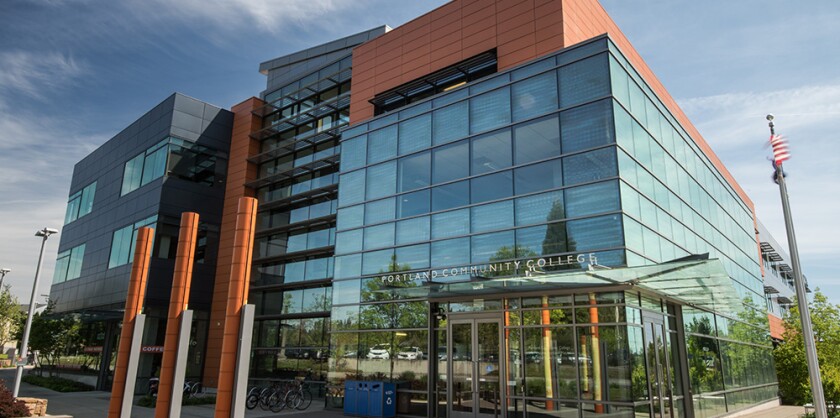
A new facility at Portland Community College is helping students practice specialized manufacturing skills and cleanroom protocols using equipment that simulates a real manufacturing environment.
-
The County Council approved spending roughly $99,600 to upgrade mapping software. The intention, the county administrator said, is ensuring computer-aided dispatch sends public safety to the right place.
-
The City Council voted 5-1 to accept a nearly $21,000 state grant to purchase a drone for police. Vice Mayor Curt Diemer, the lone vote against, urged the city to take a serious look at “shrinking liberty.”



-
The East Bay Municipal Utility District’s newest $325 million addition to the Orinda Water Treatment Plant centers around a high-tech plan to use ultraviolet light as a primary decontamination strategy.
-
Following a 2024 report highlighting challenges and inequities in K-12 privacy protections, the Consortium for School Networking has seen growing district-level interest in building secure learning environments.
-
In a video interview, a Tyler Technologies exec talked about new public agency requirements for website and mobile accessibility, coming a little more than 35 years after the Americans with Disabilities Act became law.
-
Two weeks after Nevada shuttered all state offices following a network cybersecurity incident, the recovery process is still underway, with updates provided by a new webpage. Some state websites remain unavailable.
-
The University of Michigan examined the topic, comparing lifetime emissions of battery, hybrid and gas vehicles from the 2025 model year. The electric vehicles should produce fewer greenhouse gases, it found.
-
The Sacramento-area city has plans to transition its fleet of 1,000 city vehicles and more than 40 buses to electric by 2040. A digital twin is helping leaders learn more about how their conveyances are used.


Question of the Day
Editorial













