

The deal seeks to create what amounts to a one-stop shop for permitting and public works. An Accela executive explains the thinking behind the acquisition and what comes next for the combined company.
-
 The boom of early Internet in the mid-1990s upended government IT. The rise of artificial intelligence isn't exactly the same, but it isn't completely different. What can we learn from 30 years ago?
 -
Less than three weeks after the resignation of state CIO Greg Lane, Delaware is recruiting its next technology leader. The person selected will oversee a yearly operating budget of more than $100 million.
-
The Helix Water District in San Diego County, Calif., is putting the finishing touches on an $11 million electric vehicle charging depot capable of supporting its vehicles and those of other public-sector fleets.
-
Lawmakers in the Magnolia State are considering bills to make the state CIO a cabinet member, mirroring a national trend of CIOs evolving from tech managers to enterprise leaders — and to create a cybersecurity department.


Most Read

Cybersecurity


From The Magazine
-
 From Pilot to Launch: What will it take to scale AI in government?

-
 As fears of an AI “bubble” persist, officials and gov tech suppliers are looking to move past pilots and deploy larger, more permanent projects that bring tangible benefits. But getting there is easier said than done.
 -
Artificial intelligence has been dominant for several years. But where has government taken it? More than a decade after the GT100's debut, companies doing business in the public sector are ready to prove their worth.
-
The boom of early Internet in the mid-1990s upended government IT. The rise of artificial intelligence isn't exactly the same, but it isn't completely different. What can we learn from 30 years ago?


More News
-
Connecticut legislators expect to debate a couple technology-related education issues this year, including whether to pass a statewide policies to restrict access to cellphones and social media for K-12 students.
-
Automatic license plate reader technology gathers data and images for use by government agencies for law enforcement, and this bill prevents that data from being used by immigration authorities.
-
In an effort to help short-staffed custodians, one of the largest school districts in Washington invested over $1 million in 14 robot floor cleaners, stationing one at each middle and high school.
-
With a $755,000 grant from the nonprofit Proof Positive, the play2PREVENT Lab at Dartmouth College is leveraging behavioral science to build “serious games” for youth on the autism spectrum.


-
The Bakersfield City Council approved a $250,000 grant for a United Kingdom-based neuroscience startup that local educators and business leaders hope will bring high-paying jobs to the area.
-
The state is on course to stand up a taxpayer-funded nuclear power incentive fund, following a Texas Senate vote on Tuesday. If it passes, the proposal would dedicate an estimated $350 million toward development.
-
Following the retirement of state CISO Bob Dehnhardt, officials have named Nevada’s deputy information security leader to the top role. A search for his permanent successor is expected to follow.
-
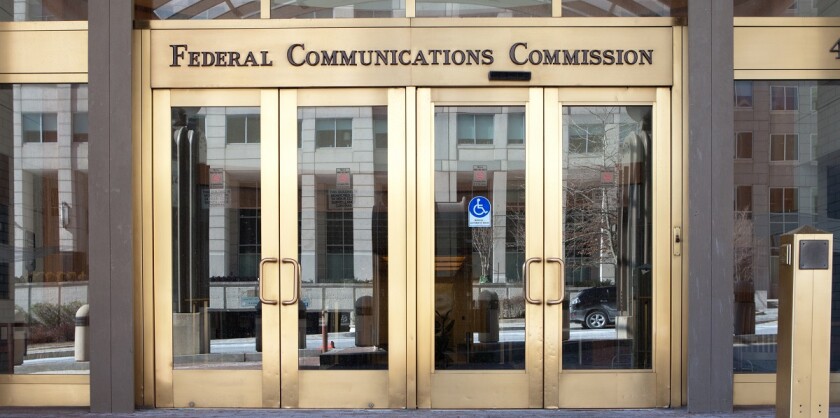
Democrat Geoffrey Starks will depart the FCC within the next month, leaving the agency with a 2-1 Republican majority. Whether the GOP members will move to reverse past E-rate expansions remains to be seen.
-
State elected officials are working on a legislative package that would address growing energy needs and rising costs — without derailing ambitious carbon-free goals. A driving force is capacity spikes.
-
The state Senate and House of Representatives have both halted a bill that would have compelled the state to stop issuing drivers’ licenses and ID cards. As of April 1, just 27 percent of Mainers have a Real ID.




Question of the Day
Editorial














