

Gov. Kay Ivey said the new Technology Quality Assurance Board will offer state leaders a way to collaborate on cybersecurity and newer forms of government technology. It’s the latest example of states trying to get a better grip on AI.
-
 Cook, an expert in the government technology investment market, outlines gov tech’s record-breaking year in 2025, including deals of all sizes, and gives his outlook for what will happen in the coming year.
 -
A report from the Information Technology and Innovation Foundation finds a stark contrast — a “digital marriage divide” — in how different states allow residents to apply for and file marriage licenses.
-
Massachusetts has partnered with OpenAI to launch the ChatGPT-powered enterprise AI assistant for the nearly 40,000 employees across the executive branch to assist them in their work; using the tool is optional.
-
A proposed state Senate bill would transfer the Florida Digital Service’s duties and functions to a new division within the governor’s office. It’s the second reorganization of state IT suggested in a year.


Most Read

Cybersecurity


From The Magazine
-
 From Pilot to Launch: What will it take to scale AI in government?

-
 As fears of an AI “bubble” persist, officials and gov tech suppliers are looking to move past pilots and deploy larger, more permanent projects that bring tangible benefits. But getting there is easier said than done.
 -
Artificial intelligence has been dominant for several years. But where has government taken it? More than a decade after the GT100's debut, companies doing business in the public sector are ready to prove their worth.
-
The boom of early Internet in the mid-1990s upended government IT. The rise of artificial intelligence isn't exactly the same, but it isn't completely different. What can we learn from 30 years ago?


More News
-
The Hampden County Assistant District Attorney's Office is training high schoolers to give presentations about online safety at elementary and middle schools across Western Massachusetts.
-
Senate Commerce Committee members reached agreement on a bill that would speed satellite licensing by the FCC, advancing by voice vote legislation with additional checks to address concerns.
-
Starting in March, TSTC will offer a 15-week data center operator training course that will focus on essential skills, including electrical and mechanical systems, safety, troubleshooting and facility operations.
-
Chatham County is the second North Carolina county to halt the permitting of new data centers, a move local officials say will allow them to develop zoning rules and study the impacts of such facilities.


-
Sixty-three percent of teachers say that the amount of time students spend on their cellphones has a very negative impact on their learning, compared with just 2 percent of middle and high schoolers who agree.
-
The city launched its 12-month e-scooter pilot program over Memorial Day weekend, allowing private and shared electric scooters to operate on designated portions of the Shoreline Pedestrian Bike Path.
-
The Bakersfield City Council approved a $250,000 grant for a United Kingdom-based neuroscience startup that local educators and business leaders hope will bring high-paying jobs to the area.
-
The state is on course to stand up a taxpayer-funded nuclear power incentive fund, following a Texas Senate vote on Tuesday. If it passes, the proposal would dedicate an estimated $350 million toward development.
-
Following the retirement of state CISO Bob Dehnhardt, officials have named Nevada’s deputy information security leader to the top role. A search for his permanent successor is expected to follow.
-
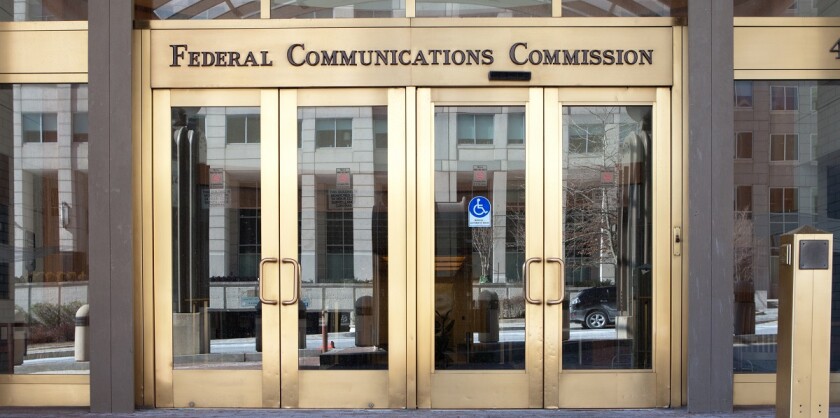
Democrat Geoffrey Starks will depart the FCC within the next month, leaving the agency with a 2-1 Republican majority. Whether the GOP members will move to reverse past E-rate expansions remains to be seen.



Question of the Day
Editorial














