

The Nevada Governor’s Technology Office has gone live with a refreshed site intended to be easier to modify as updates are needed — but more accessible and easier to use as well, with standardized layouts.
-
 Plus, a lack of funding is impacting digital inclusion initiatives, the U.S. House of Representatives advanced a bill for rural and tribal broadband, San Francisco has expanded its free Wi-Fi network, and more.
 -
Larger jurisdictions have until April 24 to comply with the Web Content Accessibility Guidelines, which means building accessibility into digital public services is no longer just a matter of best practice.
-
Americans should be on the alert for potential lone wolf cyber attacks amid the conflict in Iran, according to a bulletin issued to law enforcement from the Department of Homeland Security.
-
Lea Eriksen, who has been serving as director of the Department of Technology and Innovation for the Southern California city, will become the next senior assistant city manager in Culver City.


Most Read

Cybersecurity


From The Magazine
-
 From Pilot to Launch: What will it take to scale AI in government?

-
 As fears of an AI “bubble” persist, officials and gov tech suppliers are looking to move past pilots and deploy larger, more permanent projects that bring tangible benefits. But getting there is easier said than done.
 -
Artificial intelligence has been dominant for several years. But where has government taken it? More than a decade after the GT100's debut, companies doing business in the public sector are ready to prove their worth.
-
The boom of early Internet in the mid-1990s upended government IT. The rise of artificial intelligence isn't exactly the same, but it isn't completely different. What can we learn from 30 years ago?


More News
-
Odyssey CEO Joseph Connor, whose company is building infrastructure for the nation’s largest ESA rollout, says vetting local vendors is key to helping states and families make the most of digital wallets.
-
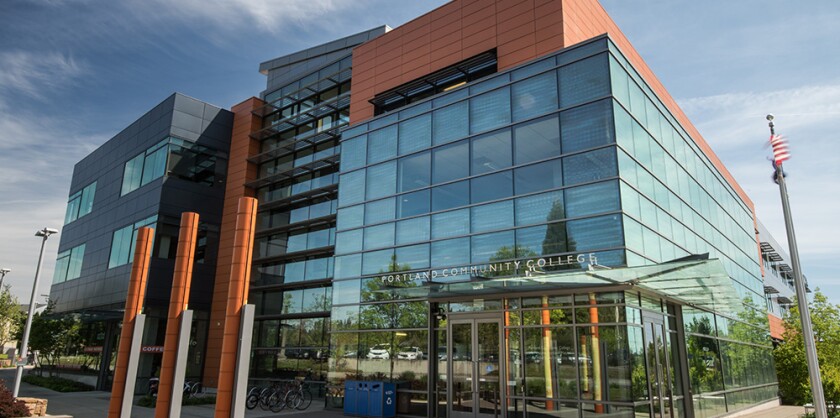
A new facility at Portland Community College is helping students practice specialized manufacturing skills and cleanroom protocols using equipment that simulates a real manufacturing environment.
-
The County Council approved spending roughly $99,600 to upgrade mapping software. The intention, the county administrator said, is ensuring computer-aided dispatch sends public safety to the right place.
-
The City Council voted 5-1 to accept a nearly $21,000 state grant to purchase a drone for police. Vice Mayor Curt Diemer, the lone vote against, urged the city to take a serious look at “shrinking liberty.”



-
Getty Images and Ancestry will help historically Black colleges and universities preserve their records in digital form, allow them to collect licensing fees, and give students access to ancestry.com.
-
A video by the Ottawa Symphony about the possibilities of using new technologies in instruments inspired a Washington County, Calif., music teacher to experiment with 3D-printing them for her students.
-
Public- and private-sector officials gathered this week at the CoMotion Miami conference to air new visions for mobility, and how to get there. Reimagining requests for proposals was one idea considered.
-
The $7 billion project now being planned would be one of the largest such investments in Indiana history and create more than 1,200 construction jobs. But officials wonder whether power can ultimately be supplied fast enough.
-
The Florida office at Midway Crossings will close Saturday and reopen Monday. Technology changes on the way include credit card machines at each checkout window and software to thwart appointment hoarding.
-
Through Maryland’s Cyber Workforce Accelerator program, students at 16 community colleges across the state have access to the Cyber Series 3000, allowing them to build cybersecurity skills in simulated scenarios.


Question of the Day
Editorial













