

In 2025, the state launched its Frontier Stable Token and advanced system modernization; in 2026, the IT team will build on that foundation to leverage technologies like AI while building trust.
-
 The Secretary of State seeks $9.8 million from the state budget for the ongoing project. A request for proposals is expected this spring to refresh the legacy platform used by more than 146,000 notaries.
 -
Paper-based procurement has long been the way governments operate, and it does help ensure security and compliance. But it also brings a cost, which digital solutions and AI tools can improve.
-
Researchers at the University of California, Santa Cruz have found a low-cost way to track heart rate via Wi-Fi and a simple microchip, which could pave the way for tracking chronic conditions like sleep apnea.
-
Federal lawmakers reactivated the State and Local Cybersecurity Grant Program earlier this month — but the Department of Homeland Security, which oversees it, is in partial shutdown.


Most Read

Cybersecurity


From The Magazine
-
 From Pilot to Launch: What will it take to scale AI in government?

-
 As fears of an AI “bubble” persist, officials and gov tech suppliers are looking to move past pilots and deploy larger, more permanent projects that bring tangible benefits. But getting there is easier said than done.
 -
Artificial intelligence has been dominant for several years. But where has government taken it? More than a decade after the GT100's debut, companies doing business in the public sector are ready to prove their worth.
-
The boom of early Internet in the mid-1990s upended government IT. The rise of artificial intelligence isn't exactly the same, but it isn't completely different. What can we learn from 30 years ago?


More News
-
The Ulster County Department of Motor Vehicles will reopen Thursday following a system update that compelled DMVs across the state to shutter. The state has implemented the first phase of a multiyear project.
-
A bipartisan, two-bill package would define the systems and set limits on how they collect, store and share data. The information could only be kept 14 days in most cases and its use would be prescribed.
-
Remote learning days have been unavoidable due to severe weather, but Buffalo school officials say the district still has issues with device access and inconsistent rules that beg for a more organized strategy.
-
After implementing an initiative to reduce screen time last August, a North Carolina school district is seeing results that resemble pre-COVID learning environments, with improved focus, behavior, reading and writing.


-
The recent groundbreaking commences work that ultimately will connect nearly 100 homes and businesses in the area with high-speed Internet. It’s paid for with federal American Rescue Plan Act and local matching funds.
-
After a nearly five-month investigation, officials determined that compromised sensitive information included names, addresses, Social Security numbers, financial account information, passport numbers and more.
-
Gov. Phil Murphy has signed a bill establishing third-degree criminal penalties in the state for people who produce deepfake audio or visual media for unlawful purposes — or who share deepfakes created for unlawful purposes.
-
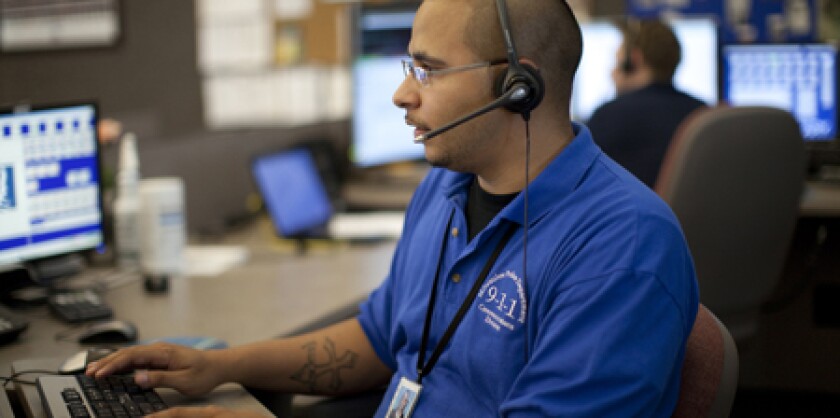
Moving to Next-Gen 911 is more than just a technical challenge; it's a moral imperative as public safety agencies work to meet the needs of all Americans, including those with disabilities or language barriers, during emergencies.
-
A partnership between the university and the tech giant will establish Apple Manufacturing Academy in downtown Detroit, with in-person and online training in smart manufacturing for small and medium-sized businesses.
-
Other space companies have been scrambling to compete with SpaceX for years, but developing a reliable rocket takes slow, steady work and big budgets. Now, some rivals are catching up.




Question of the Day
Editorial














