

The Washington Metropolitan Area Transit Authority has been making targeted improvements for several years by homing in on several key metrics, to grow its service and yield shorter travel times.
-
 Veteran county CIO Tim Dupuis marked his last day in place Friday before heading to retirement. The Board of Supervisors named Chief Technology Officer Ram Gurumurthy as interim CIO.
 -
Carroll joins the state’s cybersecurity division from the private sector as Nevada advances efforts to expand its security operations and workforce in the wake of a major cyber attack.
-
How can enterprises scale cyber defenses for the coming agentic workforce? What are the top cyber trends and challenges flowing from our new normal? Let’s explore through an RSAC lens.
-
The big elections are still months away, but a look at the numbers shows the likelihood of big changes at the CIO spot for 2027. A NASCIO leader discusses what might come after the elections.


Most Read

Cybersecurity


From The Magazine
-
 From Pilot to Launch: What will it take to scale AI in government?

-
 As fears of an AI “bubble” persist, officials and gov tech suppliers are looking to move past pilots and deploy larger, more permanent projects that bring tangible benefits. But getting there is easier said than done.
 -
Artificial intelligence has been dominant for several years. But where has government taken it? More than a decade after the GT100's debut, companies doing business in the public sector are ready to prove their worth.
-
The boom of early Internet in the mid-1990s upended government IT. The rise of artificial intelligence isn't exactly the same, but it isn't completely different. What can we learn from 30 years ago?


More News
-
Wary of adopting too many AI tools too quickly, some K-12 leaders are moving toward more structured governance models, forcing school systems to rethink how decisions are made, who is involved and how risk is managed.
-
The upgrades include a new data portal that highlights elections, new business growth and other office functions. The new website meets web content accessibility standards and has improved cybersecurity.
-
School districts suing social media companies for causing costly and disruptive mental health issues in students are encouraged by state rulings against Meta last week in California and New Mexico.
-
The College of Southern Nevada has partnered with the city of Las Vegas to plan and fund training centers where residents can build marketable skills in fields like advanced manufacturing, technology and construction.





-
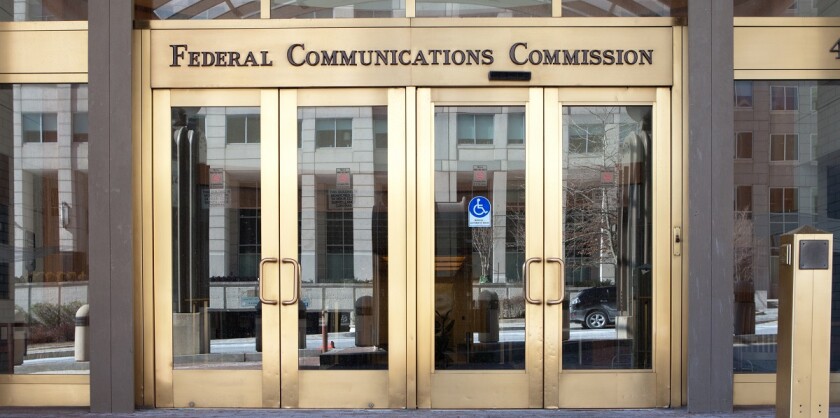
While the FCC said that companies could apply for exemptions to the recent ban, the move could dramatically shake up the market for routers, which are primarily made overseas.
-
An attack that has left the city largely paralyzed is now in its fifth day, with no end in sight, as the City Council announced a special session in part to adopt a resolution of a state of emergency.
-
A community college in Pennsylvania has resumed in-person classes without Wi-Fi, landline phones and other services, following a data breach that closed the college earlier this month.
-
Several Scioto County employees got fraudulent emails intended to look legitimate, and officials are looking into whether unauthorized people may have been able to access sensitive information as a result.
-
With more than a decade of experience managing enterprise infrastructure, cybersecurity initiatives and large-scale technology projects, Richard Barbee will now lead Durham's IT operations.
-
To get more people prepared for careers in cybersecurity, Maryland is betting on a state-backed, employer-driven apprenticeship model, not unlike traditional skilled trade apprenticeships.


Question of the Day
Editorial













