

The deal brings together AI-powered transcription technology with a suite of court solutions from Tyler Technologies, one of the largest gov tech providers in the market, matching data to case files in near real time.
-
 A new report by the National Association of State Chief Information Officers offers assistance to the public sector around complying with federal digital accessibility requirements.
 -
Washington, D.C., government shifted to operate with modifications, to ensure essential services remained available during the January snow event. IT played a supportive role behind the scenes.
-
Gov. Mikie Sherrill has appointed Kevin Dehmer, the now-former state education commissioner, as the state’s new chief technology officer. Longtime CTO Chris Rein’s last day was Friday.
-
Artificial intelligence has been dominant for several years. But where has government taken it? More than a decade after the GT100's debut, companies doing business in the public sector are ready to prove their worth.


Most Read

Cybersecurity


From The Magazine
-
 From Pilot to Launch: What will it take to scale AI in government?

-
 As fears of an AI “bubble” persist, officials and gov tech suppliers are looking to move past pilots and deploy larger, more permanent projects that bring tangible benefits. But getting there is easier said than done.
 -
Artificial intelligence has been dominant for several years. But where has government taken it? More than a decade after the GT100's debut, companies doing business in the public sector are ready to prove their worth.
-
The boom of early Internet in the mid-1990s upended government IT. The rise of artificial intelligence isn't exactly the same, but it isn't completely different. What can we learn from 30 years ago?


More News
-
The University of Wisconsin system is developing governance policies for students, faculty and staff for responsible use of AI, and UW-Madison’s newest college centered around AI opens this fall.
-
Collaboration between the College Board and the Carnegie Foundation will launch a multi-state coalition and support states as they redesign teacher pathways, update certification systems and expand access to CTE courses.
-
Massachusetts is above the national average for percentage of high school students who have taken a computer science course, but there’s no state requirement to teach the subject in K-12 schools.
-
The bill would authorize autonomous vehicle pilot programs in a handful of Illinois counties, including Cook, before opening the door to statewide legalization of self-driving cars in three years.


-
The new Heartland AI Caucus unites six states under bipartisan leadership to shape regional AI strategies and foster innovation. Arkansas, Illinois, Louisiana, Ohio, Oklahoma and Tennessee are founding members.
-
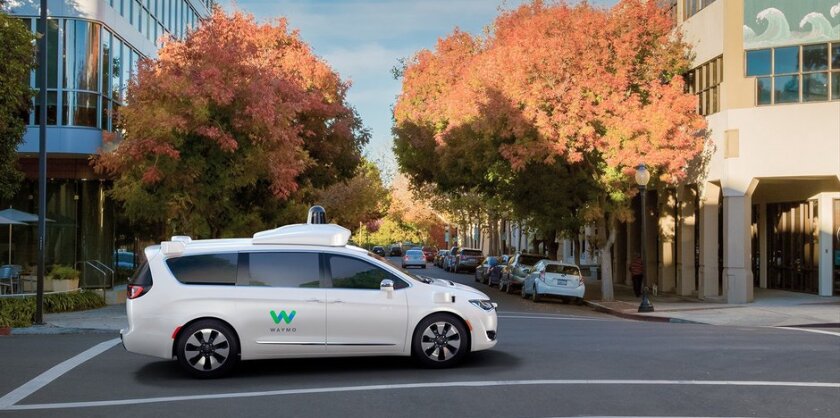
The autonomous vehicle provider has begun giving rides to a select California customer group along area freeways. Its self-driving vehicles will ferry passengers to San Jose Mineta International Airport.
-
The program will debut on a handful of streets in town limits. Drivers observed going 10 or more miles per hour over the speed limit will be cited. The technology will only capture images of speeding vehicles.
-
Starting this spring, students at Broken Arrow High School and Broken Arrow Virtual Academy in Oklahoma will be able to take an AI Foundations class, which will include lessons on coding and storytelling through data.
-
A south Texas school district developed digital responsibility guidelines and a vetting process for AI tools. Its teachers now use several AI apps like Snorkl and Eureka Math to engage students and give instant feedback.
-
With new data centers expected to drastically increase power consumption in the coming years, the Pennsylvania Public Utility Commission proposed a tariff model for electricity providers to impose on large-load customers.



Question of the Day
Editorial














