

A dozen public agencies in Kansas will receive funding for projects that involve drones, AI, smart signals, digital twins and more. The spending reflects some of the hottest trends in gov tech.
-
 A study from Booz Allen Hamilton shows that artificial intelligence has compressed cyber incident timelines, with bad actors turbocharging attacks via chatbots, coding tools and AI-powered search.
 -
With more than a decade of experience managing enterprise infrastructure, cybersecurity initiatives and large-scale technology projects, Richard Barbee will now lead Durham's IT operations.
-
To get more people prepared for careers in cybersecurity, Maryland is betting on a state-backed, employer-driven apprenticeship model, not unlike traditional skilled trade apprenticeships.
-
From Davos insights to state readiness, let‘s explore how robotics and sensors are moving artificial intelligence into the physical world.


Most Read

Cybersecurity

From The Magazine
-
 From Pilot to Launch: What will it take to scale AI in government?

-
 As fears of an AI “bubble” persist, officials and gov tech suppliers are looking to move past pilots and deploy larger, more permanent projects that bring tangible benefits. But getting there is easier said than done.
 -
Artificial intelligence has been dominant for several years. But where has government taken it? More than a decade after the GT100's debut, companies doing business in the public sector are ready to prove their worth.
-
The boom of early Internet in the mid-1990s upended government IT. The rise of artificial intelligence isn't exactly the same, but it isn't completely different. What can we learn from 30 years ago?


More News
-
A nonprofit learning studio called dae offers free programs for high school students and adults to learn about subjects like quantum computing, computer science, game development and web development.
-
Several Scioto County employees got fraudulent emails intended to look legitimate, and officials are looking into whether unauthorized people may have been able to access sensitive information as a result.
-
The platform returns after its provider suffered a cybersecurity breach in November. The new iteration lets residents choose non-emergency updates, rather than having to see them all.
-
The third part of the district's five-year, $609 million bond proposal would pay for devices and network and software investments, including money for cybersecurity supports and testing.


-
A state audit found that a public online college based in New Britain, Conn., was at high risk of cyber attack or other disasters due to a lack of comprehensive risk assessment or regular threat assessments.
-
A lawsuit against a for-profit medical school in Elk Grove alleges that a ransomware group in 2023 stole tax forms of former and current employees and students, and the university did not notify the victims for months.
-
The deputy city manager, who previously served as CIO for more than five years, will leave the Silicon Valley to become chief technology officer and head the Information Technology Department in Seattle, Wash.
-
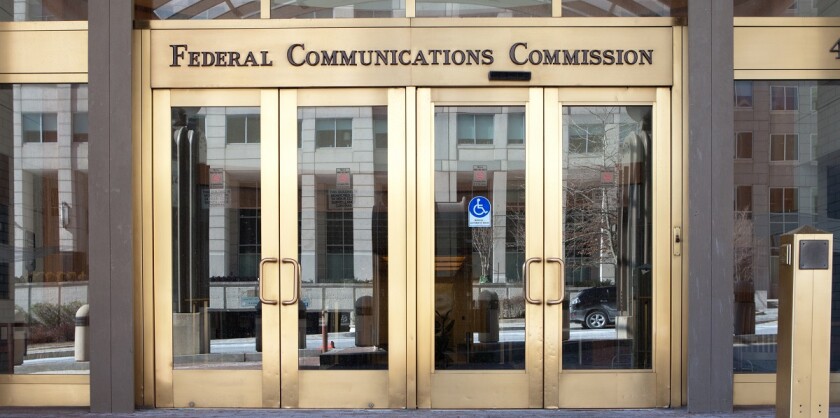
Plus, the FCC is updating its broadband data collection process, Texas has launched a dashboard on public library Internet speeds, Louisiana is offering online skills training, and more.
-
As agencies get more comfortable with new ways of analyzing data, UrbanLogiq is betting officials will prefer AI-powered tools over typical traffic-counting methods. Already one city has started using such a product.
-
The Illinois IT Trainee Program, offering full-time paid training and a competitive salary, has snagged the attention of aspiring tech professionals, with thousands of people vying for a handful of positions.


Question of the Day
Editorial













