

Lee E. Micai, a longtime technologist in Mercer County government, has been named to the role, which he said entails responsibilities previously assigned to the head of IT. His tenure began last month.
-
 Tarek Tomes, who is also commissioner of Minnesota IT Services, will leave in mid-March for a tech role in higher education. When he does, Deputy Commissioner Jon Eichten will step in as interim CIO.
 -
The state’s recently arrived director of cyber operations will work closely with state Chief Information Security Officer Chris Gergen to build and manage statewide cybersecurity strategy and operations.
-
The end of 2025 was another strong quarter for gov tech market investment, with a variety of deal types spanning many verticals. Market expert Jeff Cook runs through the deals and the numbers.
-
The company provides maps and other AI-driven solutions to help local government agencies with transportation, transit, natural disaster response and traffic safety efforts. The new funding comes from a single investor.


Most Read

Cybersecurity


From The Magazine
-
 From Pilot to Launch: What will it take to scale AI in government?

-
 As fears of an AI “bubble” persist, officials and gov tech suppliers are looking to move past pilots and deploy larger, more permanent projects that bring tangible benefits. But getting there is easier said than done.
 -
Artificial intelligence has been dominant for several years. But where has government taken it? More than a decade after the GT100's debut, companies doing business in the public sector are ready to prove their worth.
-
The boom of early Internet in the mid-1990s upended government IT. The rise of artificial intelligence isn't exactly the same, but it isn't completely different. What can we learn from 30 years ago?


More News
-
The county Board of Commissioners has delayed a decision on whether to renew contracts for 30 surveillance cameras. Residents have voiced their objections and a commissioner has shared his concern.
-
School-zone speed cameras in Richmond, Va., which are only online while children arrive or leave from school, produced just over 100,000 violations in their first year of use.
-
The town of Vernon recently became the latest of several local governments in Connecticut to put enforcement cameras on school buses, hoping to curb moving violations around the vehicles when students are present.
-
In Singapore’s IT department, innovation comes not only from in-house technical expertise, but through pushing those skills out to the rest of the enterprise and supporting innovation nationally.


-
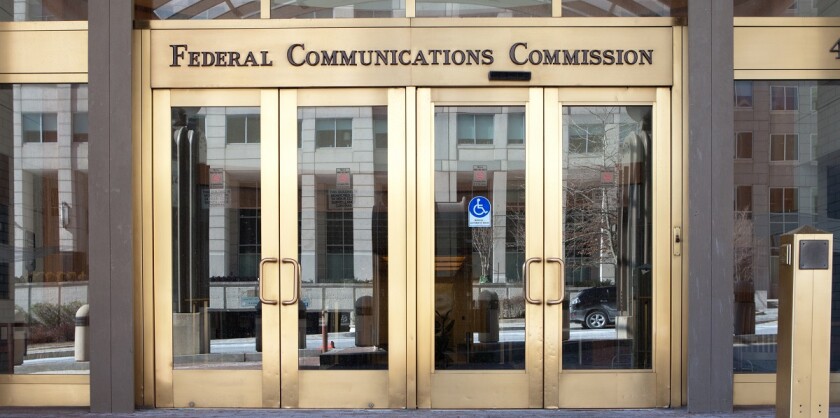
Democrat Geoffrey Starks will depart the FCC within the next month, leaving the agency with a 2-1 Republican majority. Whether the GOP members will move to reverse past E-rate expansions remains to be seen.
-
State elected officials are working on a legislative package that would address growing energy needs and rising costs — without derailing ambitious carbon-free goals. A driving force is capacity spikes.
-
The state Senate and House of Representatives have both halted a bill that would have compelled the state to stop issuing drivers’ licenses and ID cards. As of April 1, just 27 percent of Mainers have a Real ID.
-
Separated from live systems and sensitive public data, sandboxes let states and cities test drive artificial intelligence use cases without impacting services.
-
The private-public partnership has named its latest cohort. The companies now will set out to prove they can improve schedules, maintenance and inspections for the metro area’s transit system.
-
A workshop for energy and data center developers, state agencies and community leaders to discuss affected industries, power providers and policy and regulatory agencies is planned for Sept. 18.


Question of the Day
Editorial














