

A proposed state Senate bill would transfer the Florida Digital Service’s duties and functions to a new division within the governor’s office. It’s the second reorganization of state IT suggested in a year.
-
 Plus, during the State of the Net conference, officials discussed broadband funding proposals and the importance of AI-supporting communications infrastructure; new state bills address broadband; and more.
 -
Although Tyler’s Q4 revenue came in lower than expected, the company’s latest earnings report shines the light on how payments and AI could drive gov tech sales in 2026. A Tyler exec also discusses a stock buyback plan.
-
The district has announced a new AI training requirement for all government employees and contractors, in an effort to guide the responsible daily use of the technology. It’s provided through InnovateUS.
-
To guard against phishing-based ransomware attacks, the state is outfitting 161 of its jurisdictions and other public-sector organizations with hardware-based protection. And it's not alone.


Most Read

Cybersecurity


From The Magazine
-
 From Pilot to Launch: What will it take to scale AI in government?

-
 As fears of an AI “bubble” persist, officials and gov tech suppliers are looking to move past pilots and deploy larger, more permanent projects that bring tangible benefits. But getting there is easier said than done.
 -
Artificial intelligence has been dominant for several years. But where has government taken it? More than a decade after the GT100's debut, companies doing business in the public sector are ready to prove their worth.
-
The boom of early Internet in the mid-1990s upended government IT. The rise of artificial intelligence isn't exactly the same, but it isn't completely different. What can we learn from 30 years ago?


More News
-
At the annual Future of Education Technology Conference last month in Orlando, FETC Chair Jennifer Womble explained why the K-12 community must reclaim the narrative around digital tools.
-
The city has finished its portion of a fiber-optic ring that will link south Hampton Roads cities. The 18-mile build, part of a more than 100-mile endeavor, will also connect with undersea transatlantic cables.
-
As of Feb. 1, school districts across Louisiana are legally required to have at least one camera in each special education classroom. Parents can request footage if they believe their child was abused or neglected.
-
The new online portal, MyBradenton 311, will allow residents to submit service requests that include photos and locations, among other functionality. A mobile version is coming soon.


-
Sixty-three percent of teachers say that the amount of time students spend on their cellphones has a very negative impact on their learning, compared with just 2 percent of middle and high schoolers who agree.
-
The city launched its 12-month e-scooter pilot program over Memorial Day weekend, allowing private and shared electric scooters to operate on designated portions of the Shoreline Pedestrian Bike Path.
-
The Bakersfield City Council approved a $250,000 grant for a United Kingdom-based neuroscience startup that local educators and business leaders hope will bring high-paying jobs to the area.
-
The state is on course to stand up a taxpayer-funded nuclear power incentive fund, following a Texas Senate vote on Tuesday. If it passes, the proposal would dedicate an estimated $350 million toward development.
-
Following the retirement of state CISO Bob Dehnhardt, officials have named Nevada’s deputy information security leader to the top role. A search for his permanent successor is expected to follow.
-
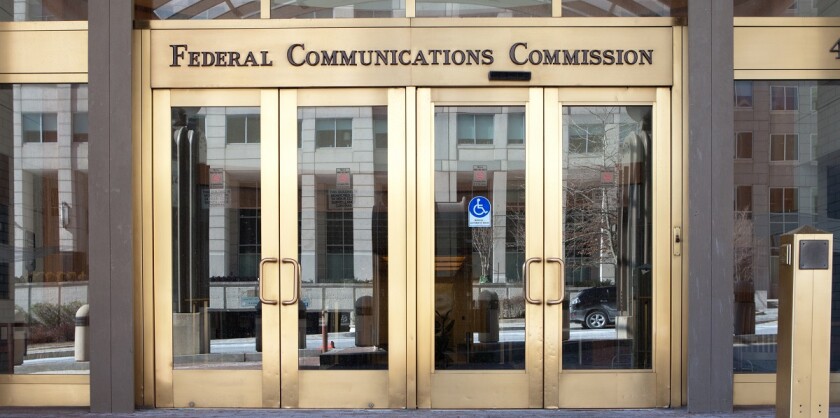
Democrat Geoffrey Starks will depart the FCC within the next month, leaving the agency with a 2-1 Republican majority. Whether the GOP members will move to reverse past E-rate expansions remains to be seen.



Question of the Day
Editorial














