

Plus, New York has reopened applications for grants through its ConnectALL program, New Mexico celebrated progress on connectivity expansion, fiber networks continue expanding to new locations, and more.
-
 Responder MAX will focus on marketing, communications, recruitment and other areas. First Arriving, which has worked with some 1,300 agencies, will keep involved with its "real-time information platform."
 -
An executive order from the governor of the Show Me State calls for the development of a strategic framework to advance AI technology and related infrastructure, addressing workforce development and data centers.
-
The federal government’s now-defunct United States Digital Service has served as an inspiration for states that are increasingly putting human experience at the center of their tech projects.
-
Tony Sauerhoff, who also previously served as state chief information security officer, was appointed interim executive director of the Texas Department of Information Resources and interim CIO.




Most Read

Cybersecurity


From The Magazine

-
 People are less worried about AI taking humans’ jobs than they once were, but introducing bots to the public-sector workplace has brought new questions around integration, ethics and management.
 -
As governments at all levels continue to embrace new developments in artificial intelligence, cities are using automation for everything from reducing first responder paperwork to streamlined permitting.
-
Agencies report that critical IT positions remain hard to fill, but finding the right people takes more than job postings. States are expanding intern and apprentice programs to train and retain talent.


More News
-
The state of Kentucky granted the University of Louisville $10 million for the construction of a new cybersecurity center, which will include a cyber range and a secure space for sensitive information.
-
As the new five-year funding cycle for E-rate begins, experts at the Future of Education Technology Conference in Orlando urged districts to plan early, document thoroughly and stay vigilant on compliance.
-
National Grid is expected to install the devices for 121,000 customers in the city. They will enable people to track energy usage via a portal, and will immediately alert the utility to power outages.
-
San Jose is the latest city whose use of the cameras to snag criminal suspects, critics say, also threatens privacy and potentially runs afoul of laws barring access by out-of-state and federal agencies.


-
The new Heartland AI Caucus unites six states under bipartisan leadership to shape regional AI strategies and foster innovation. Arkansas, Illinois, Louisiana, Ohio, Oklahoma and Tennessee are founding members.
-
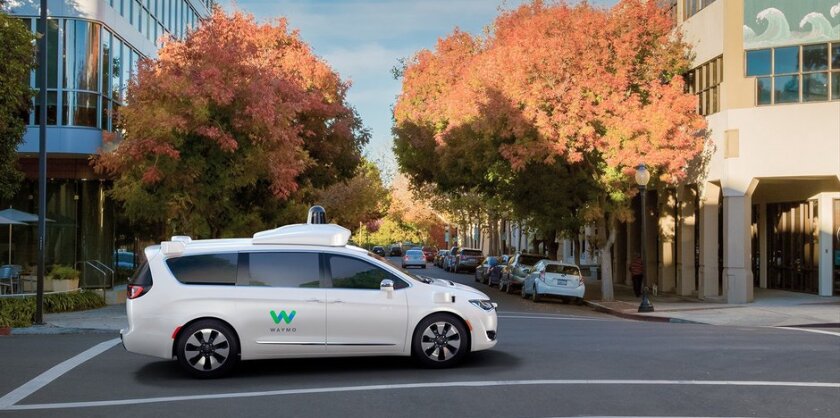
The autonomous vehicle provider has begun giving rides to a select California customer group along area freeways. Its self-driving vehicles will ferry passengers to San Jose Mineta International Airport.
-
The program will debut on a handful of streets in town limits. Drivers observed going 10 or more miles per hour over the speed limit will be cited. The technology will only capture images of speeding vehicles.
-
Starting this spring, students at Broken Arrow High School and Broken Arrow Virtual Academy in Oklahoma will be able to take an AI Foundations class, which will include lessons on coding and storytelling through data.
-
A south Texas school district developed digital responsibility guidelines and a vetting process for AI tools. Its teachers now use several AI apps like Snorkl and Eureka Math to engage students and give instant feedback.
-
With new data centers expected to drastically increase power consumption in the coming years, the Pennsylvania Public Utility Commission proposed a tariff model for electricity providers to impose on large-load customers.



Question of the Day
Editorial














