

Federal lawmakers reactivated the State and Local Cybersecurity Grant Program earlier this month — but the Department of Homeland Security, which oversees it, is in partial shutdown.
-
 A new partnership is endowing state transportation departments in Ohio and Pennsylvania with multiple data points through which to better understand traffic on their roadways and corridors.
 -
The young firm, based in the U.K., uses AI to help utility and infrastructure field workers do their jobs more efficiently. The company’s CEO spoke with Government Technology about what’s coming next.
-
Plus, the world's fastest business jet takes off, Merriam-Webster's tech-centric word of 2025, and the cost savings of charging an electric vehicle from your home.
-
From compromised TVs to AI-powered house chores, exploring the evolving global threats and why human-centric security matters more than ever.


Most Read

Cybersecurity


From The Magazine
-
 From Pilot to Launch: What will it take to scale AI in government?

-
 As fears of an AI “bubble” persist, officials and gov tech suppliers are looking to move past pilots and deploy larger, more permanent projects that bring tangible benefits. But getting there is easier said than done.
 -
Artificial intelligence has been dominant for several years. But where has government taken it? More than a decade after the GT100's debut, companies doing business in the public sector are ready to prove their worth.
-
The boom of early Internet in the mid-1990s upended government IT. The rise of artificial intelligence isn't exactly the same, but it isn't completely different. What can we learn from 30 years ago?


More News
-
For decades, the cost of course materials has increased far beyond the rate of inflation, and Salem State University students say open-resource course materials online would better serve them and their professors, both.
-
The San Luis Obispo County elections office will implement the new system in the June 2 statewide primary. It intakes hundreds of ballots at once, then can “talk” to a registration system to verify signatures.
-
The funding, totaling $48.5 million, derives from the Broadband Equity, Access and Deployment program. It is expected to enable connections to 22,000 homes and businesses in the state.
-
The county board approved a renewal of a Kane County Sheriff’s Office contract that includes 25 license plate reader cameras. Undersheriff Amy Johnson said the devices help “a tremendous amount."


-
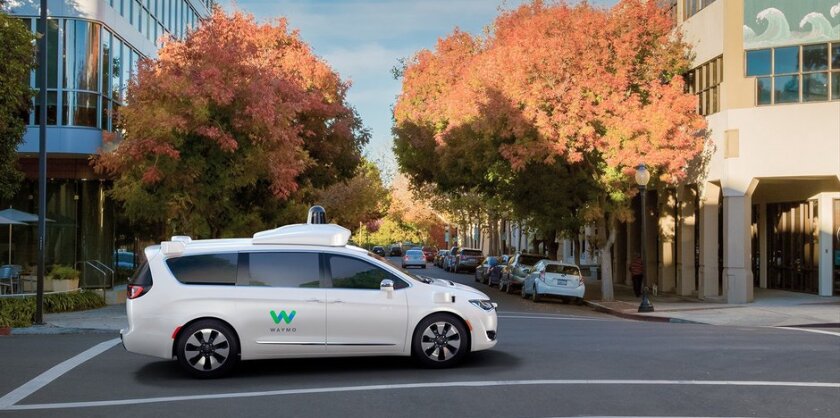
The autonomous vehicle provider has begun giving rides to a select California customer group along area freeways. Its self-driving vehicles will ferry passengers to San Jose Mineta International Airport.
-
The program will debut on a handful of streets in town limits. Drivers observed going 10 or more miles per hour over the speed limit will be cited. The technology will only capture images of speeding vehicles.
-
Starting this spring, students at Broken Arrow High School and Broken Arrow Virtual Academy in Oklahoma will be able to take an AI Foundations class, which will include lessons on coding and storytelling through data.
-
A south Texas school district developed digital responsibility guidelines and a vetting process for AI tools. Its teachers now use several AI apps like Snorkl and Eureka Math to engage students and give instant feedback.
-
With new data centers expected to drastically increase power consumption in the coming years, the Pennsylvania Public Utility Commission proposed a tariff model for electricity providers to impose on large-load customers.
-
Georgia's third largest school district said in a recent court filing that costs directly associated with social media addiction included more than $400,000 in the past year for cellphone lockers and lockable pouches.


Question of the Day
Editorial














