

California electric utilities plan to launch a program to help pay for electric vehicle charging, for income-qualified households that do not have charging at home. Other initiatives are already underway.
-
 The outgoing governor has signed a memorandum of understanding with tech company NVIDIA to support AI research, education and workforce development. The state has invested $25 million to support the work.
 -
Officials at the capital city this week approved a one-year moratorium on data center development. The suspension will provide time to review potential impacts and guide responsible development.
-
Public agencies use software from Libera for vocational rehabilitation. CiviCore, once part of Neon One, has government clients that include courts, schools and health and human services departments.
-
With its longtime federal support now withdrawn, one of the country’s largest public-sector cybersecurity support organizations has moved to a new paid model where states handle the bill for its services.


Most Read

Cybersecurity


From The Magazine

-
 People are less worried about AI taking humans’ jobs than they once were, but introducing bots to the public-sector workplace has brought new questions around integration, ethics and management.
 -
As governments at all levels continue to embrace new developments in artificial intelligence, cities are using automation for everything from reducing first responder paperwork to streamlined permitting.
-
Agencies report that critical IT positions remain hard to fill, but finding the right people takes more than job postings. States are expanding intern and apprentice programs to train and retain talent.


More News
-
The City Council approved giving OnLight Aurora, set up to manage the city’s fiber network, $80,000 via either a loan or grant. A key issue, an alderman said, is getting the organization back on track.
-
JB Holston, the University of Denver's former dean of engineering and computer science, praised Colorado's quantum tech hub and said he hopes to promote the state's major research universities and technical colleges.
-
Hiring a workforce development coordinator with deep industry knowledge and connections, and making it easier for CTE instructors to get licensed, helped an Arizona district grow its network of business partnerships.
-
In the two years since the state released guidance for localities interested in speed or red-light cameras, fewer than 10 percent of its municipalities have submitted and won approval of plans.


-
The new Heartland AI Caucus unites six states under bipartisan leadership to shape regional AI strategies and foster innovation. Arkansas, Illinois, Louisiana, Ohio, Oklahoma and Tennessee are founding members.
-
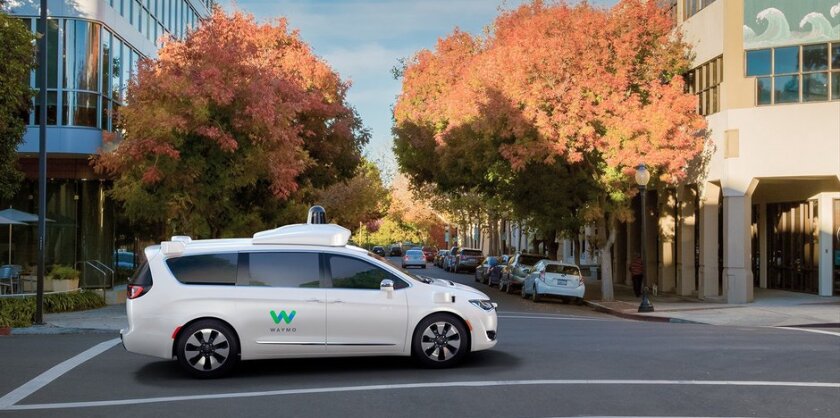
The autonomous vehicle provider has begun giving rides to a select California customer group along area freeways. Its self-driving vehicles will ferry passengers to San Jose Mineta International Airport.
-
The program will debut on a handful of streets in town limits. Drivers observed going 10 or more miles per hour over the speed limit will be cited. The technology will only capture images of speeding vehicles.
-
Starting this spring, students at Broken Arrow High School and Broken Arrow Virtual Academy in Oklahoma will be able to take an AI Foundations class, which will include lessons on coding and storytelling through data.
-
A south Texas school district developed digital responsibility guidelines and a vetting process for AI tools. Its teachers now use several AI apps like Snorkl and Eureka Math to engage students and give instant feedback.
-
With new data centers expected to drastically increase power consumption in the coming years, the Pennsylvania Public Utility Commission proposed a tariff model for electricity providers to impose on large-load customers.



Question of the Day
Editorial














